




Explore Hills yatra

Explore articles related to this topic from ExploreHills.

Explore by Category

23 articles
Dakshineswar Kali Temple
Temples and Spiritual Places

Dakshineswar Kali Temple: A Guide to Kolkata’s Riverside Shrine

On the eastern bank of the Hooghly River, a short distance north of central Kolkata, stands one of Bengal’s best-known temples. Dakshineswar draws devotees, history readers, and curious travelers every day, and its tall spired shrine is easy to spot from the…
October 15, 20266 min read
Lingaraj Temple
Temples and Spiritual Places

Lingaraj Temple: Bhubaneswar’s Ancient Shrine of Harihara

Bhubaneswar is often called the Temple City of India, and no shrine anchors that reputation more firmly than Lingaraj Temple. Its tall sandstone tower rises above the lanes of the Old Town, surrounded by smaller shrines and a large sacred tank. For…
October 14, 20266 min read
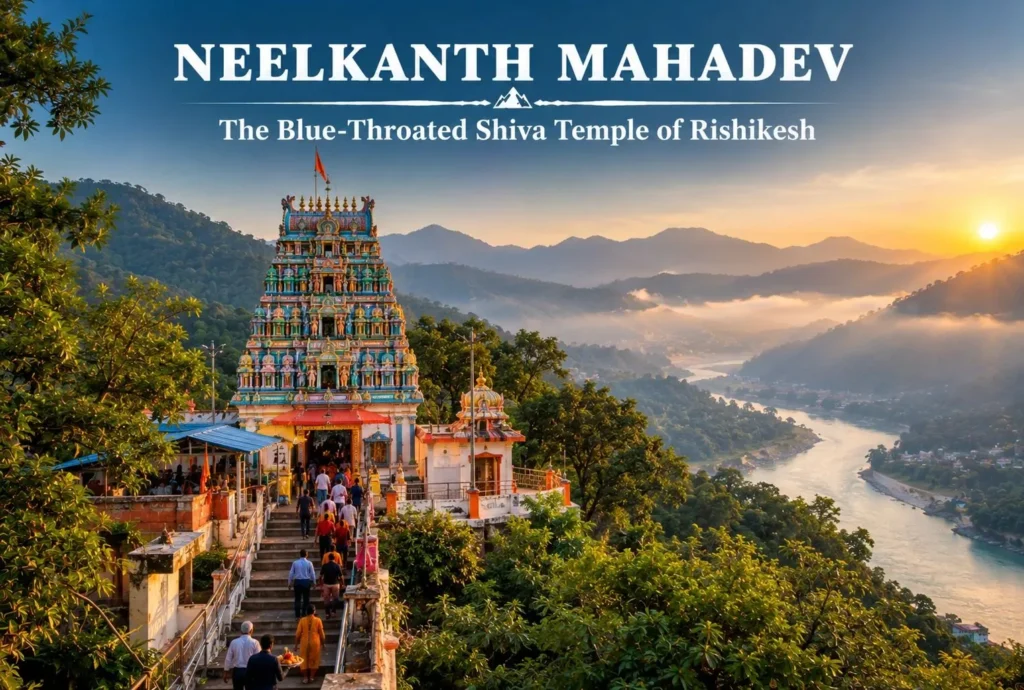
Neelkanth Mahadev
Temples and Spiritual Places

Neelkanth Mahadev: Complete Guide to the Temple Near Rishikesh

Neelkanth Mahadev is a Lord Shiva temple located above on the hills of Rishikesh in Uttarakhand. This temple stands as a symbol of the sacrifice Lord Shiva made during Samundra Manthan. This guide will tell you about the temple’s history, how far…
October 14, 20267 min read
Paonta Sahib
Temples and Spiritual Places

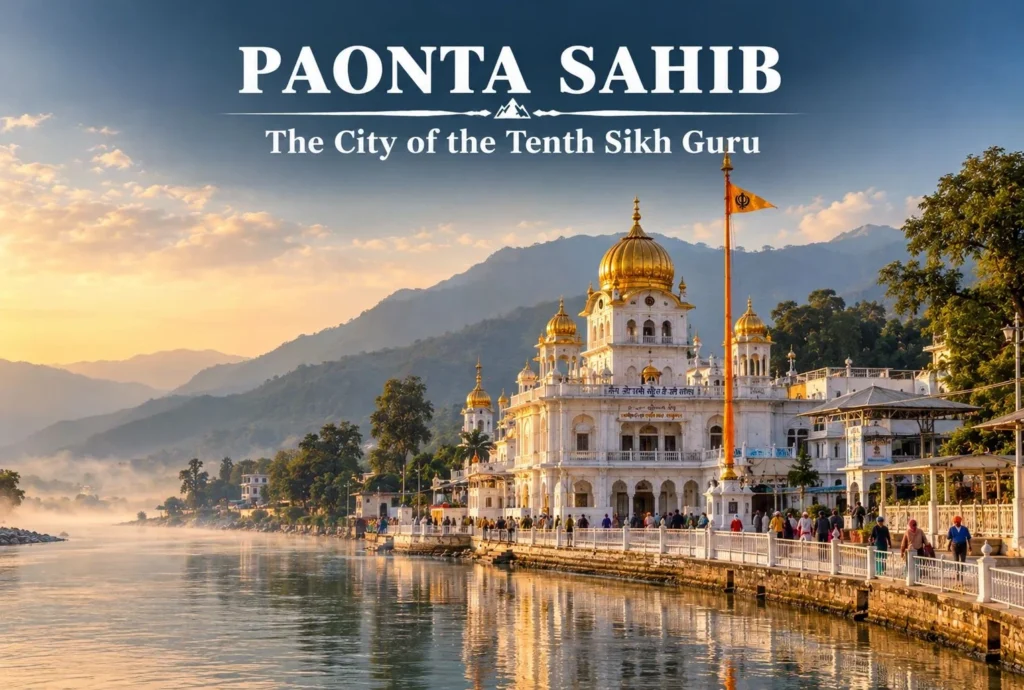
Paonta Sahib: The City Of Tenth Sikh Guru

Himachal Pradesh is also known as “The land in the lap of the snowy Himalayas”, is one of the most famed hill stations in India. Himachal is not only famous for its snowy mesmerizing topography, Paonta Sahib the town of tenth Sikh…
October 9, 20266 min read

Khatu Shyam Ji Temple: The Rajasthan Shrine That Draws Millions

Khatu Shyam Ji Temple

Few pilgrimage sites in North India pull in the sheer volume of devotees this temple does, especially during its annual fair, when the small town around it swells into one of the busiest religious gatherings in Rajasthan. This is Khatu Shyam Ji Temple, and its story is as compelling as the crowds it draws.

What Is Khatu Shyam Ji Temple?

Khatu Shyam Ji Temple is located in the town of Khatu, in Sikar district, Rajasthan, dedicated to Khatu Shyam Baba, worshipped as a form of Lord Krishna. The temple’s popularity has grown enormously over recent decades, drawing pilgrims not just from Rajasthan but from across North India, particularly during major festival periods.

Khatu Shyam Ji Temple - History

The Legend Behind Khatu Shyam Baba Temple

The story behind Khatu Shyam Baba Temple traces back to the Mahabharata and the warrior Barbarik, grandson of Bhima. According to legend, Barbarik possessed extraordinary combat skills and vowed to fight on the side of the weaker army in the Kurukshetra war. To test his resolve and prevent the war from ending too quickly, Lord Krishna asked for his head as alms (shirdaan), which Barbarik gave willingly. Pleased by this sacrifice, Krishna granted him a boon that he would be worshipped in the Kali Yuga under the name Shyam, which is how the deity came to be known as Khatu Shyam Baba, with Khatu being the town where his head is believed to be enshrined.

Khatu Shyam Temple: Architecture and Significance

The Khatu Shyam temple structure reflects Rajasthani temple architecture, with a prominent shikhara and detailed marble work throughout the complex. The main sanctum houses the deity’s image, and the temple complex includes additional structures like Shyam Kunj, considered significant for devotees performing specific rituals during their visit.

Khatu Shyam Temple Timings

Khatu Shyam temple timings generally follow a structured daily schedule, though visitors should confirm details locally given how much footfall the temple sees, especially during peak season.

Time SlotApproximate Hours
Morning darshan (Mangala Aarti)4:30 AM – 12:00 PM
Afternoon break12:00 PM – 4:00 PM
Evening darshan and Aarti4:00 PM – 10:00 PM

These timings can shift significantly during the Falgun Mela and other major festival periods, so confirming the current schedule with temple management or an official source shortly before traveling is strongly recommended.

The Falgun Mela: Khatu’s Biggest Event

The Falgun Mela, held annually around the Hindu month of Falgun (typically February-March), is when the temple sees its highest footfall of the year, with lakhs of devotees arriving over several days. Roads leading into Khatu get significantly congested during this period, and planning around it—either to join the festivities or to avoid the crowds entirely—makes a real difference to the visit experience.

Best Time to Visit

Outside the Falgun Mela, the temple sees steady but more manageable crowds year-round, with weekdays generally quieter than weekends. Winter months (October to February) offer more comfortable travel weather for the Rajasthan region overall, avoiding the intense summer heat that builds up by April and May.

How to Reach Khatu

By Air

The nearest airport is Jaipur International Airport, roughly 80 km from Khatu.

By Train

Ringas Railway Station is the nearest railhead, roughly 17 km from the temple, well-connected to Jaipur and other major Rajasthan cities.

By Road

Khatu is well-connected by road from Jaipur, Sikar, and Ringas, with regular bus and taxi services available, particularly during the Falgun Mela when additional transport options are arranged.

Extending Your Pilgrimage

For travelers whose pilgrimage plans extend beyond Rajasthan into the Himalayas, Explore Hills’ Kedarnath Yatra covers one of India’s most significant mountain pilgrimages, and the Char Dham Yatra bundles four of Uttarakhand’s most sacred shrines into a single extended journey for those planning a broader multi-region pilgrimage circuit.

For official visitor information and travel advisories for the Sikar district and Falgun Mela arrangements, you can refer to the Rajasthan Tourism Department, the official state government tourism body.

What to Keep in Mind Before Visiting

  • Dress modestly, with shoulders and knees covered
  • Expect long queues during peak hours and especially during the Falgun Mela
  • Footwear isn’t permitted inside the temple sanctum
  • Carry cash for offerings, as card acceptance is inconsistent in smaller shops around the temple town

Conclusion

Khatu Shyam Ji Temple isn’t just a regional pilgrimage stop—it’s become one of the most visited Krishna-related shrines in North India, driven by a legend that resonates deeply with devotees. Whether you visit during the intensity of the Falgun Mela or on a quieter weekday, it’s a temple that leaves a strong impression on nearly everyone who makes the trip.

Frequently Asked Questions

What is Khatu Shyam Ji Temple famous for?

It is famous as the shrine of Khatu Shyam Baba, associated with the Mahabharata warrior Barbarik, and is one of North India’s most visited pilgrimage sites.

What are the current Khatu Shyam temple timings?

The temple generally follows morning and evening darshan slots, though timings can shift significantly during the Falgun Mela, so confirming locally before travel is advised.

What is the legend behind Khatu Shyam Baba Temple?

According to the Mahabharata, warrior Barbarik offered his head to Lord Krishna as alms and was granted a boon to be worshipped as Shyam in the Kali Yuga.

When is the best time to visit Khatu Shyam Temple?

Winter months (October to February) offer comfortable weather, though many devotees specifically plan around the Falgun Mela in February-March for the festival experience.

How do I reach Khatu Shyam Ji Temple?

The nearest railway station is Ringas, roughly 17 km away, and the nearest airport is Jaipur International Airport, about 80 km from Khatu.
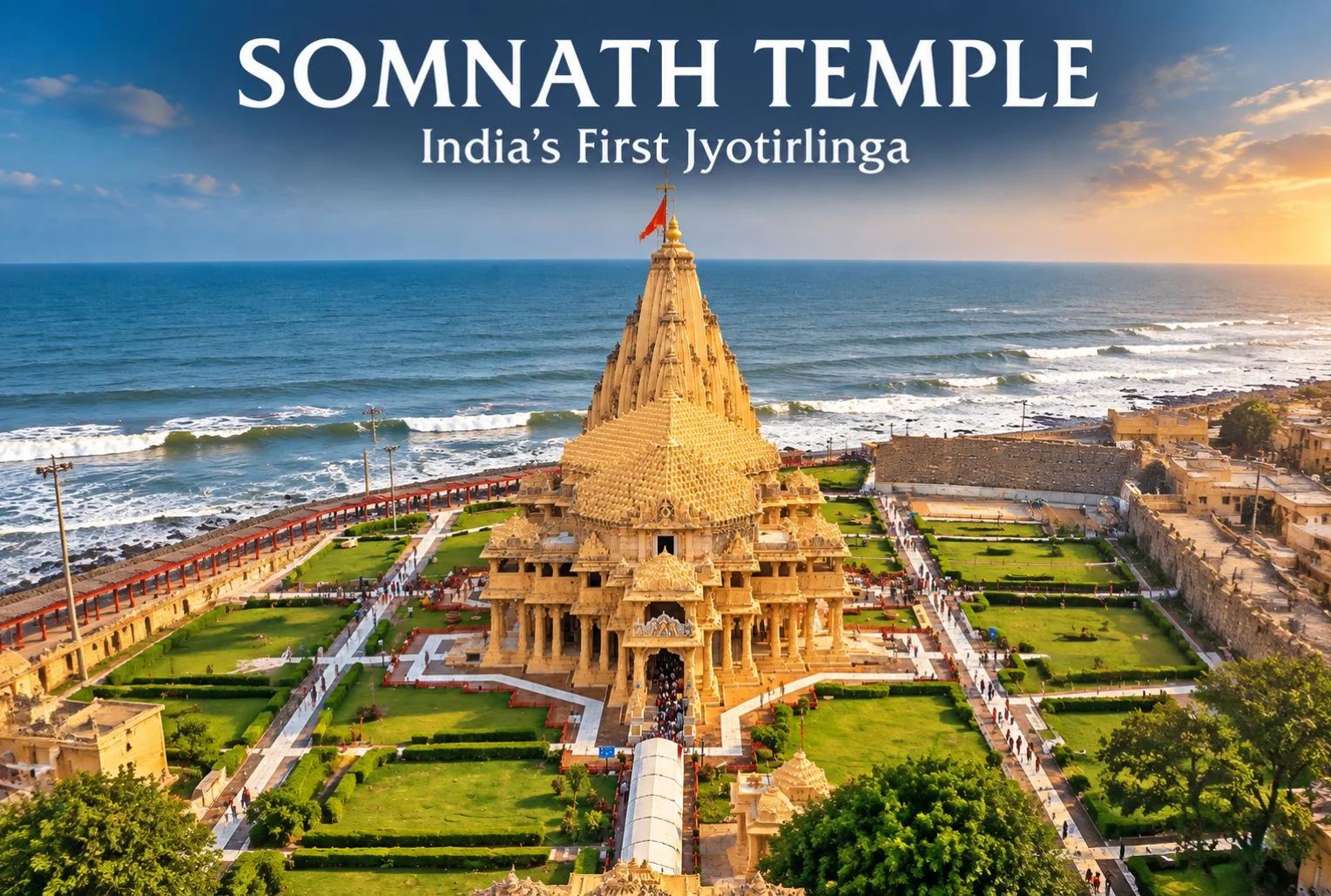

Somnath Temple: India’s First Jyotirlinga on the Shores of the Arabian Sea

Somnath Temple

Few temples in India carry a history as layered as this one — destroyed and rebuilt across centuries, standing today as both a place of worship and a symbol of resilience. Somnath Temple sits on the Gujarat coast, and its story is as significant as the shrine itself.

What Is Shree Somnath Temple?

Shree Somnath Temple is dedicated to Lord Shiva and is considered the first among the twelve Jyotirlingas in India, located at Prabhas Patan near Veraval in Gujarat, right along the Arabian Sea coastline. Its location — where temple architecture meets open ocean — has made it one of the most visually striking pilgrimage sites on India’s western coast.\

Somnath Temple - History

Somnath Jyotirling Temple: Why It Holds the First Position

The Somnath Jyotirling temple is regarded in Hindu tradition as the foremost of the twelve Jyotirlingas, sacred shrines believed to be self-manifested forms of Lord Shiva. This ranking gives the temple a significance that extends well beyond Gujarat, drawing pilgrims from across India who specifically plan their Jyotirlinga circuit starting or ending at this coastal shrine.

Somnath Temple History

The Somnath temple history is one of repeated destruction and reconstruction, spanning centuries of invasions and rebuilding efforts. The temple was destroyed and rebuilt multiple times through history, with the most significant modern reconstruction beginning after India’s independence, championed by Sardar Vallabhbhai Patel, who saw the temple’s rebuilding as a symbol of national restoration. The current structure, completed in the mid-20th century, reflects Chaulukya-style architecture and stands as the temple most visitors see and photograph today.

Somnath Temple Timings

Somnath temple timings generally follow a structured daily schedule, though visitors should always confirm details locally before traveling.

Time SlotApproximate Hours
Morning darshan6:00 AM – 12:00 PM
Afternoon darshan12:00 PM – 6:00 PM
Evening darshan and aarti6:00 PM – 9:00 PM
Light and sound showEvening, timing varies seasonally

These timings can shift around major festivals, Shivaratri, and temple maintenance periods, so it’s worth confirming the current schedule with temple management or an official source shortly before your visit.

Best Time to Visit Somnath Temple

October to March is generally considered the most comfortable period, covering Gujarat’s coastal winter when temperatures stay moderate and humidity is lower than the summer months. Summer (April to June) brings intense heat, while monsoon (July to September) brings heavy rainfall that can affect outdoor sightseeing around the temple complex, though the temple itself remains open year-round.

Nearest Station to Somnath Temple

The nearest station to Somnath temple is Veraval Railway Station, located roughly 7 km from the temple complex, well-connected to major Gujarat cities and other parts of the country. For air travel, Diu Airport, roughly 60 km away, and Rajkot Airport, further out, serve as the nearest airports, with road transport required to complete the journey to the temple.

The Temple Complex and Surroundings

Beyond the main shrine, the complex includes a museum displaying artifacts and sculptures recovered from earlier iterations of the temple, giving visitors a tangible sense of its long history. The nearby Triveni Sangam, where three rivers are believed to meet before joining the sea, is also considered a significant spot for ritual bathing among pilgrims visiting the area.

Extending Your Pilgrimage

For travelers whose interest in Jyotirlinga and major Shiva shrines extends to the Himalayas, Explore Hills’ Kedarnath Yatra covers one of the most significant Himalayan Shiva pilgrimages in the country, and the Char Dham Yatra bundles four of Uttarakhand’s most sacred shrines into a single extended journey for those planning a broader multi-region pilgrimage circuit.

For official visitor information, current darshan timings, and travel advisories, you can refer to the Gujarat Tourism Department, the official state government tourism body.

What to Keep in Mind Before Visiting

  • Dress modestly, with shoulders and knees covered, as is standard at Hindu temple complexes
  • Footwear isn’t permitted inside the sanctum; carrying a small bag for shoes helps
  • The evening light and sound show is worth timing your visit around, if schedules allow
  • Weekends and major festival days bring noticeably larger crowds

Conclusion

Somnath isn’t just another stop on a Jyotirlinga circuit—it’s a temple whose very existence today reflects centuries of resilience. Between its coastal setting, its historical weight, and its place as the first of the twelve Jyotirlingas, it remains one of the most significant pilgrimage destinations in the country for those willing to make the journey to Gujarat’s shoreline.

Frequently Asked Questions

What is Shree Somnath Temple famous for?

It is famous as the first of the twelve Jyotirlingas dedicated to Lord Shiva and for its dramatic coastal location along the Arabian Sea.

What is the history behind Somnath Temple history and its reconstructions?

The temple has been destroyed and rebuilt multiple times through history, with the current structure completed in the mid-20th century under efforts led by Sardar Vallabhbhai Patel.

What are the current Somnath temple timings?

The temple generally follows morning, afternoon, and evening darshan slots, though timings can shift around festivals, so confirming locally before travel is recommended.

What is the nearest station to Somnath Temple?

Veraval Railway Station, located roughly 7 km away, is the nearest railway station to the temple.

Why is Somnath Jyotirling Temple considered the first among the twelve Jyotirlingas?

Hindu tradition places it first in the sequence of Jyotirlingas, giving it particular significance for pilgrims undertaking the full Jyotirlinga circuit.

What is the best time to visit Somnath Temple?

October to March offers the most comfortable weather, avoiding both the summer heat and monsoon rains along the Gujarat coast.

Veerabhadra Swamy Temple: The Mystery Pillar That Defies Gravity

Veerabhadra Swamy Temple

Not every ancient temple needs mythology to leave visitors stunned — some do it with pure engineering. The Veerabhadra Swamy Temple in Lepakshi, Andhra Pradesh, is one of those rare places where architecture itself has become the main attraction, alongside centuries of devotion to Lord Shiva in his fierce Veerabhadra form.

Where Is the Veerabhadra Swamy Temple Located?

This temple sits in the small town of Lepakshi in Anantapur district, Andhra Pradesh, roughly 15 km from Hindupur and about 120 km from Bengaluru. Built during the Vijayanagara Empire in the 16th century, it’s often described as one of the finest surviving examples of Vijayanagara-era temple architecture, and it draws history enthusiasts and pilgrims in almost equal numbers.

The Story Behind Sri Veerabhadra Swamy Temple

According to legend, the site takes its name from the moment Lord Rama is said to have told Sita “le pakshi” — meaning “rise, bird” — after finding the wounded vulture Jatayu here following his battle with Ravana in the Ramayana. The Sri Veerabhadra Swamy Temple itself, however, is dedicated to Veerabhadra, the fierce warrior form of Lord Shiva created from his rage after the death of Sati. The temple complex also houses shrines to Shiva, Vishnu, and Durga, making it a broader pilgrimage stop rather than a single-deity shrine.

The Hanging Pillar: Lepakshi’s Famous Mystery

Veerabhadra Swamy Temple History

Among the temple’s 70 carved pillars, one doesn’t touch the ground at all — it hangs, suspended just slightly above its base, and generations of visitors have slid objects underneath to prove it isn’t resting on anything. Colonial-era engineers reportedly tried to move it to study the technique and inadvertently shifted it slightly, though it remains standing exactly as it has for centuries. No one has definitively explained how 16th-century builders achieved this level of precision without modern tools.

Other Highlights Inside the Veerabhadra Temple

Beyond the hanging pillar, the Veerabhadra temple complex holds several other remarkable features. A massive monolithic Nandi bull, carved from a single granite block, sits just outside the main complex and is among the largest of its kind in India. Inside, the ceiling above the main shrine features a giant fresco of Veerabhadra himself, considered one of the largest surviving murals from the Vijayanagara period. There’s also an unfinished kalyana mandapam (marriage hall) with intricately carved pillars, believed to have been left incomplete after the sudden fall of the Vijayanagara Empire.

Best Time to Visit

The temple is open year-round, but the most comfortable months to visit are between October and February, when daytime temperatures stay mild. Summers in this part of Andhra Pradesh can get intensely hot, so an early morning visit is generally recommended regardless of season.

How to Reach

The nearest airport is in Bengaluru, roughly a 3-hour drive away, while Hindupur serves as the closest railway station, about 15 km from the temple. Most visitors combine a trip here with a broader South India temple circuit. For travelers who enjoy pairing ancient temple architecture with high-altitude pilgrimage routes, Explore Hills’ Kedarnath Yatra offers a very different but equally compelling temple experience in the Himalayas, and the Char Dham Yatra covers four of Uttarakhand’s most sacred shrines in a single journey.

For official heritage information and conservation details on this site, you can refer to the Archaeological Survey of India, the Government of India body responsible for protecting monuments like this one.

Conclusion

The Veerabhadra Swamy Temple isn’t just another stop on a South India temple trail — it’s a place where 16th-century builders left behind a puzzle that’s never fully been solved. Between the hanging pillar, the giant fresco, and the sheer scale of the carved Nandi outside, it’s a site that rewards slow, unhurried exploration rather than a quick walkthrough.

Frequently Asked Question’s

What is special about the Veerabhadra Swamy Temple?

The temple is best known for its hanging pillar, which appears suspended without touching the ground, along with a massive monolithic Nandi bull and a giant ceiling fresco.

Where is the Sri Veerabhadra Swamy Temple located?

It is located in Lepakshi, Anantapur district, Andhra Pradesh, about 120 km from Bengaluru.

Which deity is worshipped at the Veerabhadra temple?

The temple is primarily dedicated to Veerabhadra, the fierce form of Lord Shiva, though the complex also includes shrines to Vishnu and Durga.

How old is the Veerabhadra Swamy Temple?

The temple dates back to the 16th century, built during the reign of the Vijayanagara Empire.