
Explore Hills yatra

Explore articles related to this topic from ExploreHills.

Explore by Category

23 articles
Ranthambore National Park
Trekking and Adventure

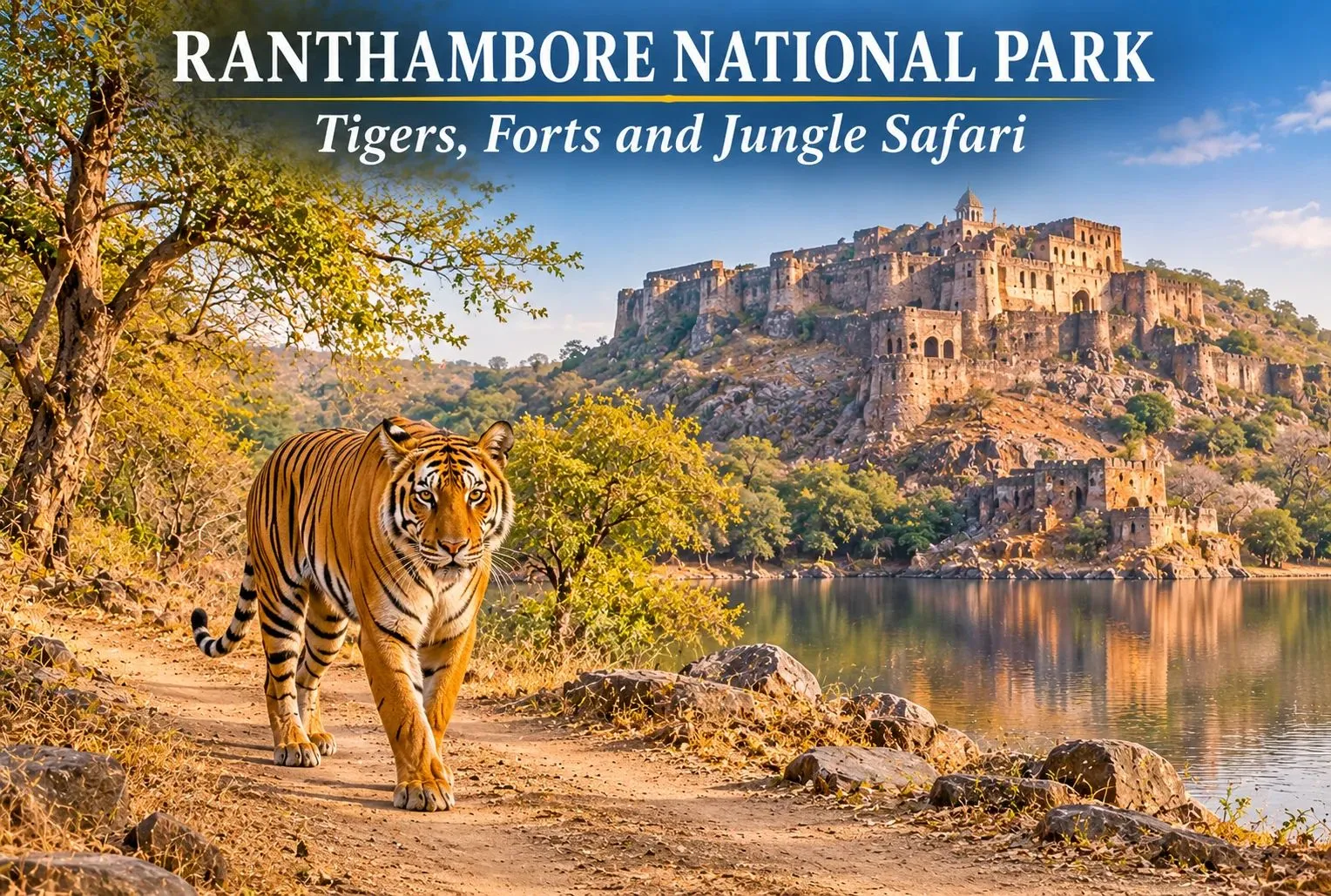
Ranthambore National Park: Wildlife Tourism and Travel Guide

From the beautiful landscape to the rough terrain forests, the atmosphere of Ranthambore National Park is a perfect blend of nature and history, where you will find beautiful lakes as well as historic forts that present the unique experience to wildlife lovers…
November 13, 20269 min read
Mansa Devi
Temples and Spiritual Places

Mansa Devi: The Wish-Fulfilling Goddess of Haridwar and Panchkula

Two hilltop shrines, one goddess, and the same builder behind both. Mansa Devi is worshipped as the goddess who fulfils wishes, and her best-known temples stand in Haridwar in Uttarakhand and in Panchkula in Haryana. This guide covers both, with the ropeway…
November 12, 20266 min read
Tapkeshwar Mahadev Mandir
Temples and Spiritual Places

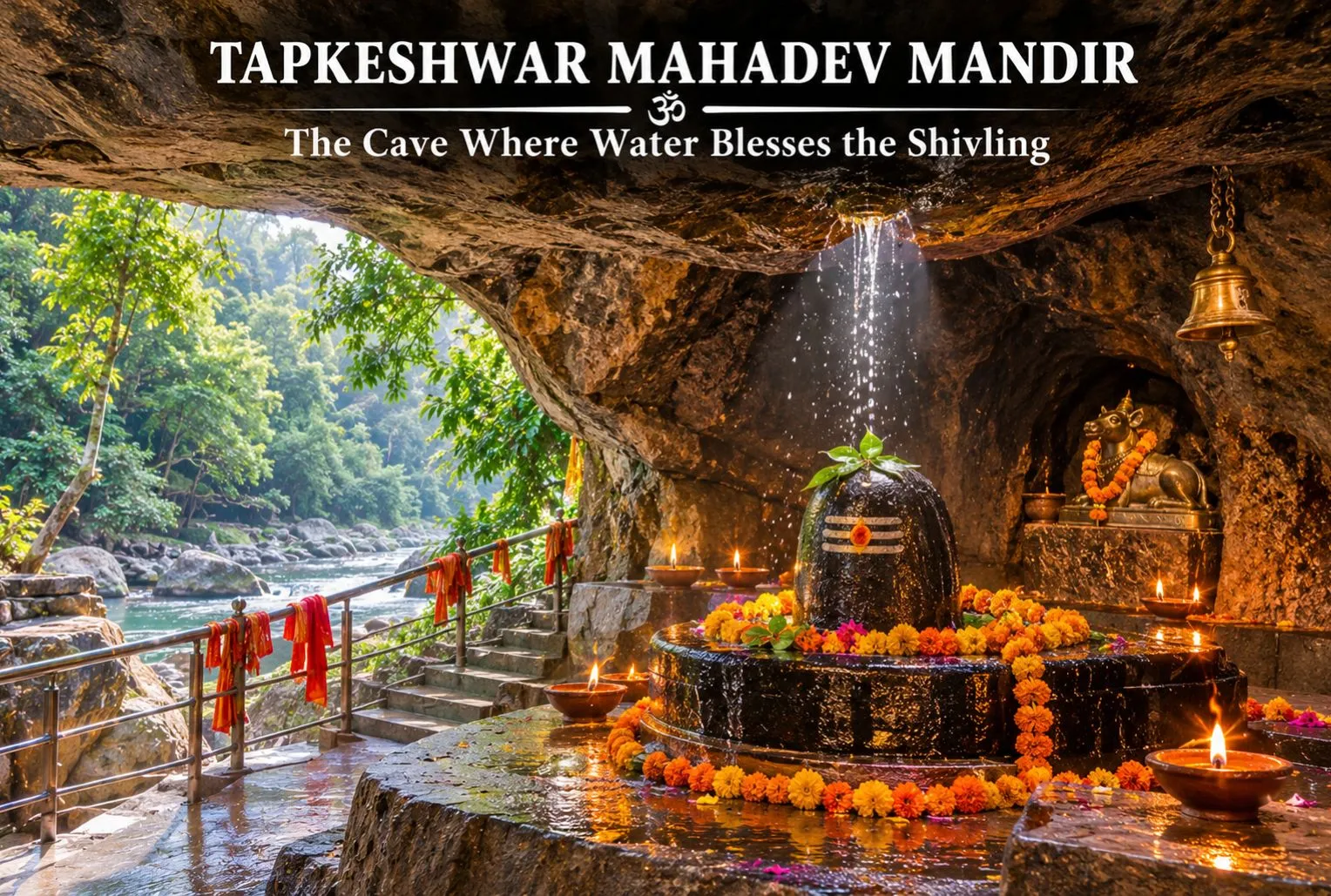
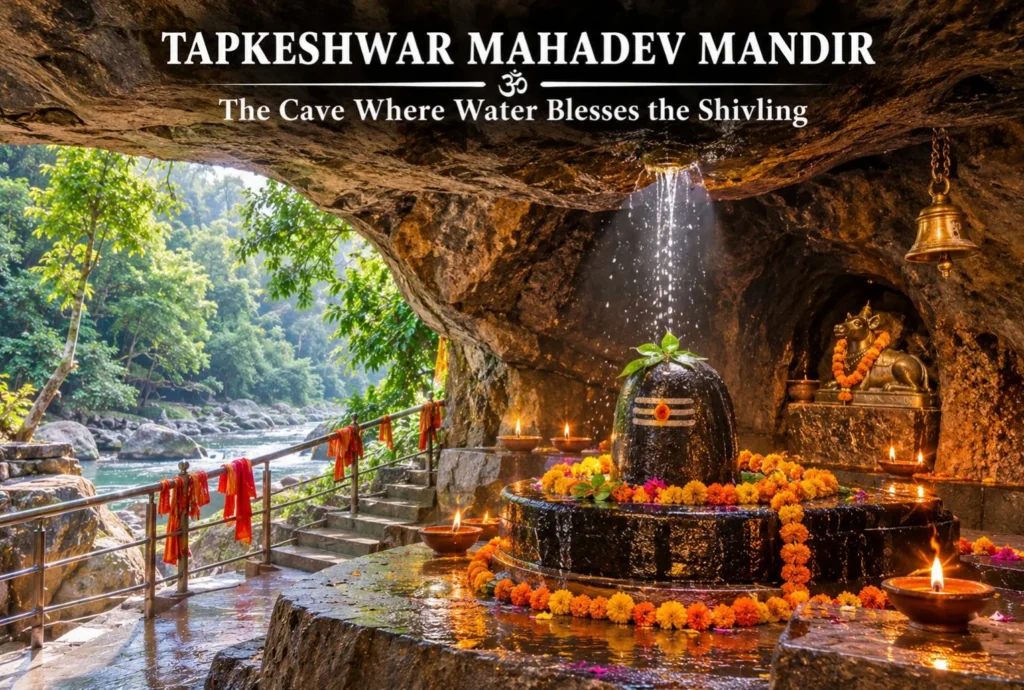
Tapkeshwar Mahadev Mandir: The Cave Where Water Blesses the Shivling

In a quiet cantonment corner of Dehradun, a Shivling sits inside a natural cave while water drips onto it from the rock above. That single detail gives the shrine its name, and it is why the Tapkeshwar Mahadev Mandir is one of…
November 6, 20265 min read
Srisailam Mallikarjuna Temple
Temples and Spiritual Places

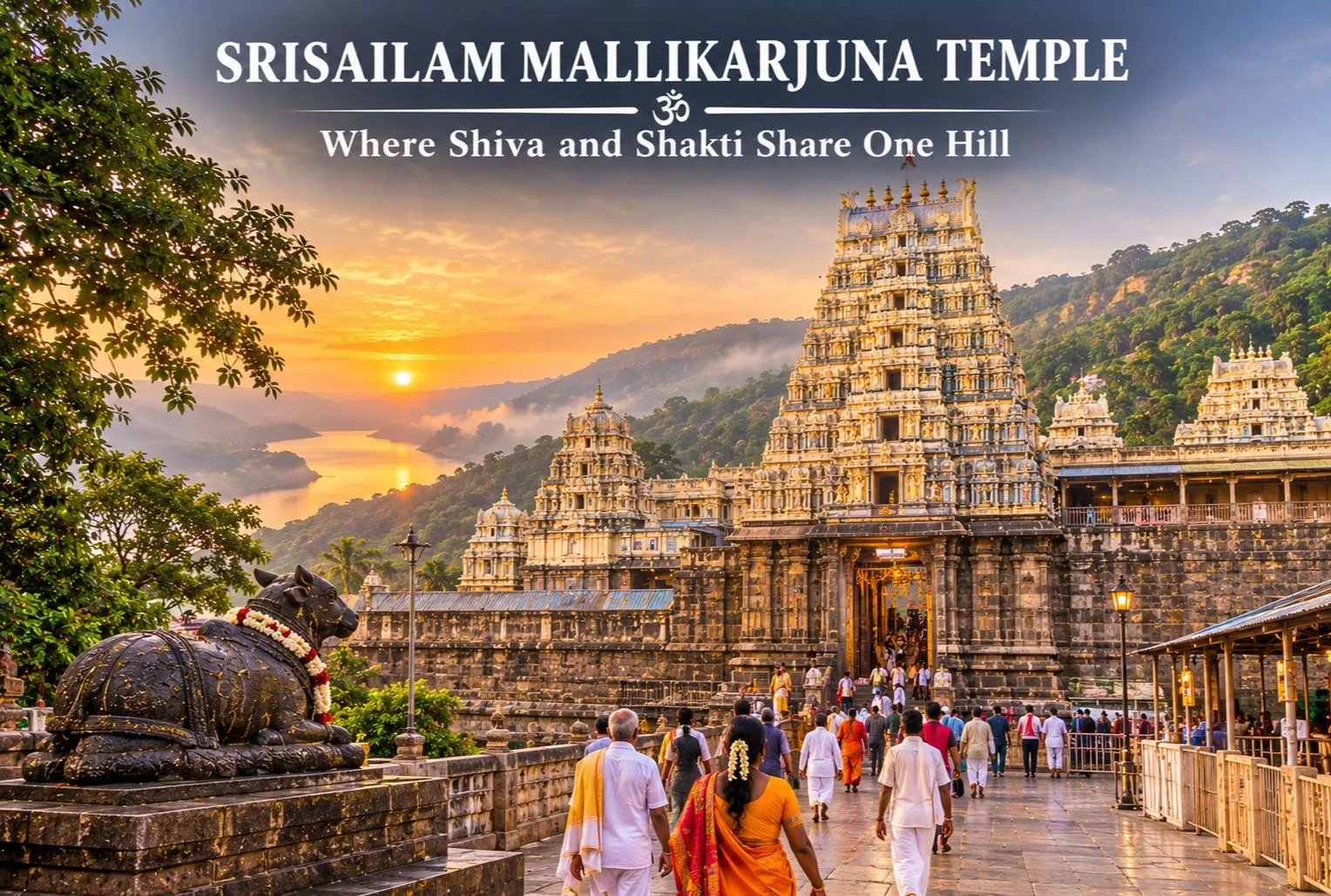
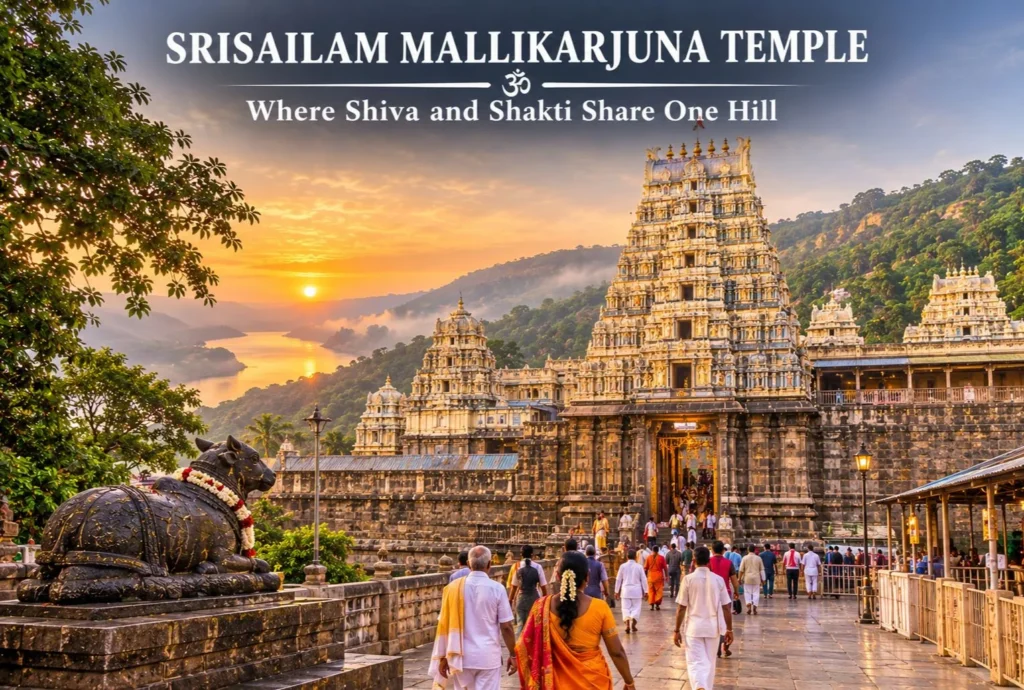
Srisailam Mallikarjuna Temple: Where Shiva and Shakti Share One Hill

On a forested plateau of the Nallamala hills, above the Krishna river, one temple complex holds both a Jyotirlinga and a Shakti Peetha. The Srisailam Mallikarjuna Temple is among the most important Shiva shrines in South India, and it draws pilgrims who…
November 5, 20265 min read
Jal Mahal
Heritage, Forts and Monuments

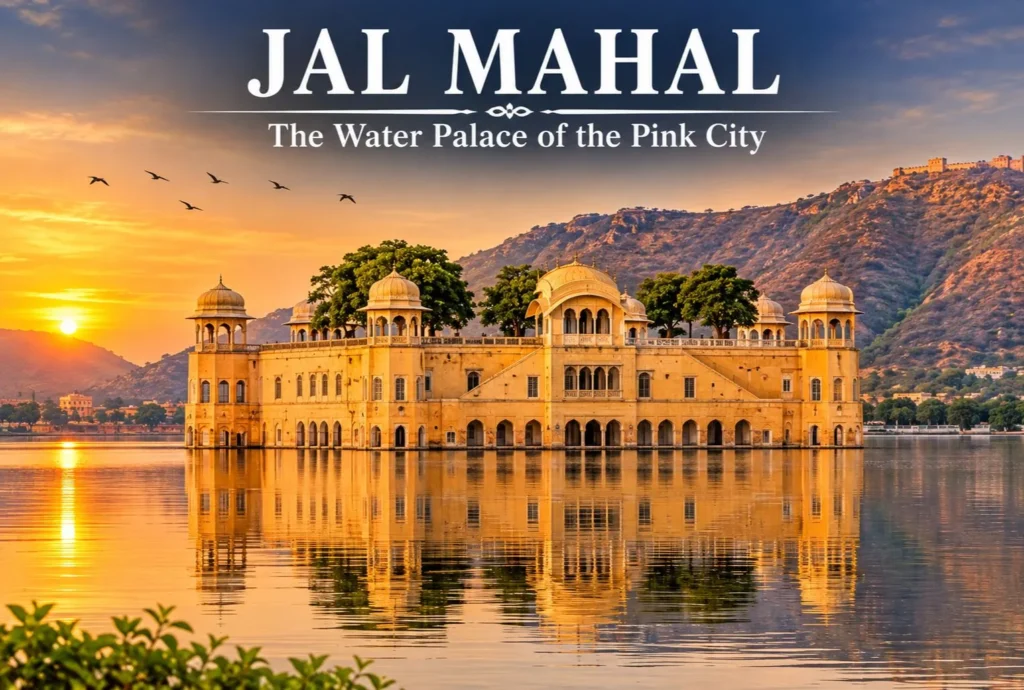
Jal Mahal: The Water Palace of Pink City

The terracotta blush: in 1876 the city was painted in the hue of hospitality, pink, to welcome the Prince of Wales. That city is none other than Jaipur, popularly known as the Pink City. Here resides the Jal Mahal. The palace, also…
November 4, 20266 min read

Ranthambore National Park: Wildlife Tourism and Travel Guide

Ranthambore National Park

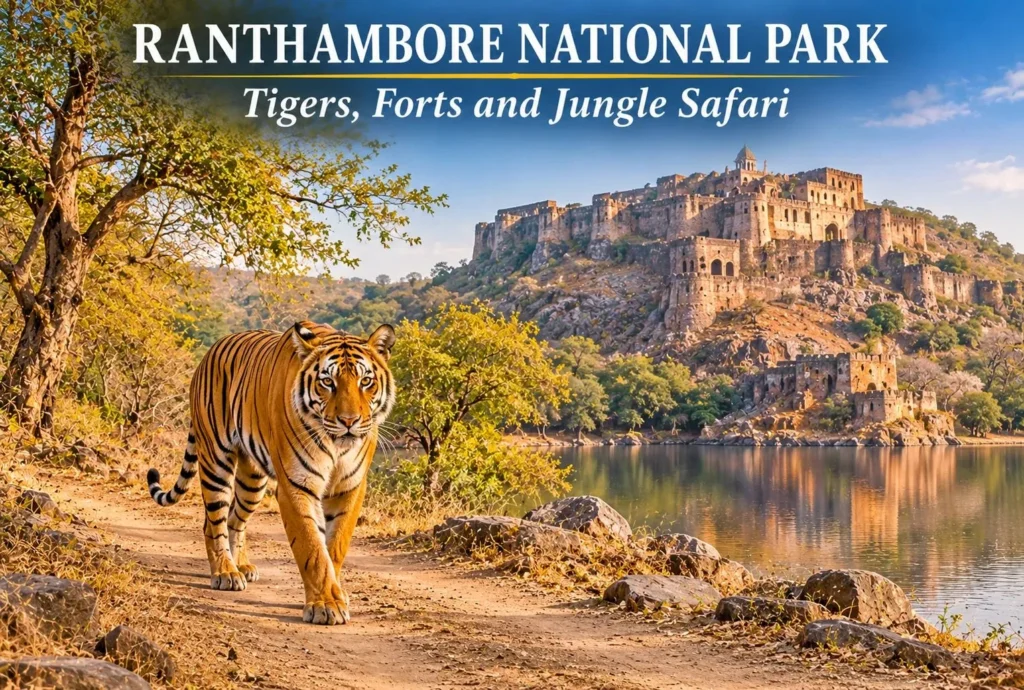
From the beautiful landscape to the rough terrain forests, the atmosphere of Ranthambore National Park is a perfect blend of nature and history, where you will find beautiful lakes as well as historic forts that present the unique experience to wildlife lovers and photographers. To know more about Ranthambore, have a look at this guide that will briefly introduce the history, where is ranthambore national park, best time to visit, and jungle safari of the park to you.

About Ranthambore National Park

Situated in the Sawai Madhopur district of Rajasthan, the Ranthambore National Park is known as one of the best wildlife destinations and tiger reserves in India. It is home to around 75 to 80 tigers, which can be spotted in the wild. Inside the park there are a large number of species of wild cats, antelope, birds, reptiles, etc.

The Ranthambore Tiger Reserve is spread over the span of around 1530 sq. km, including the protected area and forests. While the park covers about 280 sq. km of area where the safaris happen. In 2022, a total of 69 tigers are recorded here, which was only 10 in 2001.
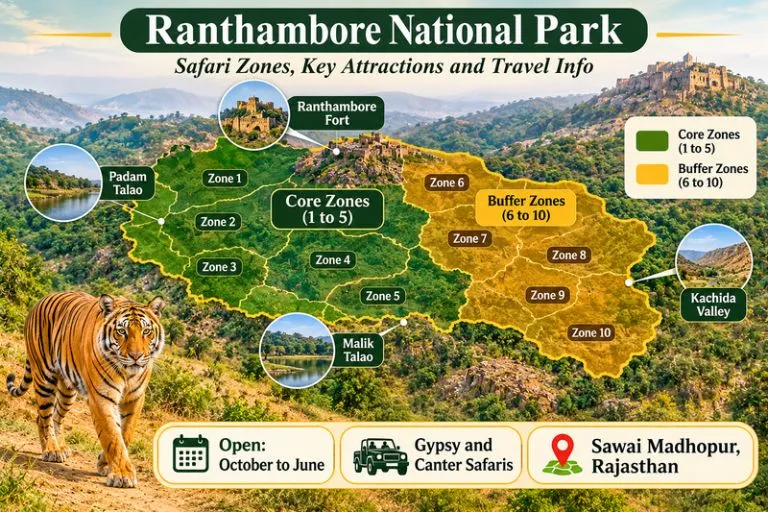
Ranthambore National Park - Safari Zones, Key Attractions and Travel Info

Brief History of the Park

Get through the fascinating history of the park:

  • Established in 1955: Sawai Madhopur Game Sanctuary was established in the name of the district where it is located, the Sawai Madhopur district of Rajasthan.
  • Joined Project Tiger in 1873: The sanctuary became one of the tiger reserves by joining Project Tiger to save the tiger population.
  • Wildlife sanctuary to National Park: The forest area of the sanctuary was declared a national park to protect the forests and wildlife in 1974.

Today, the Ranthambore is widely known for its protective land of over 280 sq. km, including the protected area and forests.

Things to Do in Ranthambore National Park

There is more here than safaris. If you have two or three days, try this list.

  1. Take a jungle safari— if you want to see tigers, leopards, and other wild animals, witness a jungle safari once. Here a guide and driver will take you on a ride-along forest and track the animals through their footprints.
  2. Visit Kachida Valley— This valley is famous for animals like panthers, sloth bears, and birds. You can reach here by Jeep safari only.
  3. Go Bird Watching— More than 200 species of birds can be spotted in the park. Mostly near water bodies like Padam Talao Lake and Malik Lake.
  4. Step into Museam— Learn about the diverse wildlife and culture of Rajasthan and witness the glimpse of Bengal tigers.
  5. Admire the Ranthambore Fort— Built in the 10th century, this historical fort is part of the Hill Forts of Rajasthan, a UNESCO World Heritage Site. Inside the fort there are red-stone temples of Ganesh, Shiva, and Ramji.

Wildlife You Can Spot

Tigers get the most attention, but they are only one part of the story. Here are what else live in Ranthambore National Park:

  • Bengal tigers— Famous for their orange coats, black stripes, and powerful presence, makes them the most popular tourist attraction of Ranthambore.
  • Leopard— A big cat with yellow skin and black spots on it, also known as an apex predator, and is also found here.
  • Sloth Bear— A shaggy, insectivorous mammal known for tearing open termite mounds with its claws.
  • Deer and antelope— Sanbar, chital, nilgai, chinkara, etc.
  • Birds— Different species of birds can be spotted here, like painted stork and Indian eagle-owl, and crested serpent-eagle.

There are many other animal species that you will see inside the park; some may be commonly found in nature while some are rarely seen everywhere.

Bengal Tigers—Pride of Ranthambore

Bengal Tigers are Indian subcontinent species of tigers that are distributed to other nations like Nepal, Bhutan, and Bangladesh from India. The name Bengal comes from West Bengal, the state of India. These tigers are only found on the Indian subcontinent and are one of the biggest wild cats alive.

Bengal tigers are the most famous animal found in the Ranthambore National Park, which makes them tourists’ favorite animal of the park. It is a home of around 70 to 80 Bengal tigers. Some famous tigers of Ranthambore are Machli, Dollar, Tina Two, and Sundari.

How to Reach Ranthambore

By Train

  • Take a train from Delhi, Mumbai and Jaipur and reach Sawai Madhopur railway station.
  • The railway station is around 15 km away from Ranthambore.

By Air

  • Jaipur International Airport is the closest airport with a drive of 160 km from the the Sawai Madhopur district.
  • Taxis and buses are available at the airport gate which can take you to Sawai Madhopur.

By Road

  • Government buses and private buses run daily from Jaipur
  • The road is well connected with nearby big cities like Delhi and Jaipur.

Best Time to Visit

The park is opened for all tourists from the month of October to June and remains closed in the months of July, August, and September during monsoon season.

SeasonMonthsWeather and ConditionsBest for
SummerApril – JuneHot weather with high temperatures and sunny daysHigh chances of spotting tigers near water bodies
WinterOctober – JanuaryCold winds, better safari conditionsComfortable jungle safari experience
SpringFebruary – MarchWarm weatherWildlife Enthusiasts

Plan Jungle Safari: Timings and Booking

The Safari in Ranthambore National Park is divided into 10 zones, out of which zones 1 to 5 are core zones and zones 6 to 10 are buffer zones.

Jungle safaris can be done through two types of vehicles that are:

  • Gypsy (jeep): An open four-wheeler, with a seating capacity of 6 people including the driver, is flexible and best for family.
  • Canter: An open truck that has a higher seating capacity than a gypsy is less costly per person but is noisier.

The safari runs in two shifts:

  • The first shift starts in the morning at around 6am.
  • Afternoon shift starts at 2 pm.

The timings can change with the season.

Complete your booking for safaris through the official Rajasthan Forest Department portal. So check the Rajasthan Forest Department’s Ranthambhore Tiger Reserve page for official updates. Carry your photo ID on the day, check the rules, and plan accordingly.

For official visitor information on Rajasthan, including links to the forest department’s booking system, you can refer to Rajasthan Tourism, the state government’s official tourism body.

Where to Stay: Ranthambore National Park Resort

Ranthambore offers a variety of accommodation options for tourists, including luxury hotels, budget-friendly hotels, and hotels closest to nature.

Types of Stays Near Ranthambore

Luxury Hotels and Resorts

  • Offers premium rooms with luxury services like a swimming pool, multicuisine restaurants, and a spa parlor.
  • Best for long holiday vacations with close proximity to nature.

Mid-range

  • Provides big rooms with basic facilities included, like restaurants, room service, and laundry facilities.
  • Best if you want to stay more in Ranthambore to explore other places near Ranthambore.

Low budget

  • You will get decent rooms with basic facilities like a washroom, water, and some food also.
  • Good for solo travelers and budget tours.

Travel Tips

  • Book your safari early, and check your safari zone in the ticket.
  • Carry only permitted essentials inside with you.
  • Do not touch the animal and try to become cool; this can be dangerous.
  • Listen to your guide and respect them.
  • Wear good-quality shoes rather than fancy sneakers and heels.
  • Don’t limit yourself to watching tigers only; explore other things also, like lakes, birds, forts, grasslands, etc.

If you enjoy open landscapes and wild places, our guide to the Rann of Kutch is another good read.

If you would like to continue your nature travel in the Himalayas after the Rajasthan plains, Explore Hills’ Uttarakhand Tour Package brings together several regional highlights in one itinerary.

Conclusion

If you ever dream of exploring the wildlife once in a lifetime, Ranthambore can be a great option and the best place where you will get through the beautiful landscape and will experience the wildlife closely. Whether you are wildlife enthusiasts or admirers of history, the Ranthambore will make you fall in love with nature. More than exploring the wildlife, the important thing is to protect it.

For a forest walk with birdlife of a different kind, Explore Hills’ Chopta Tungnath Chandrashila Trek passes through rhododendron and pine forest in the Garhwal Himalayas.

Frequently Asked Questions

How many days are required to explore Ranthambore?

If you are planning for a jungle safari, bird watching, and exploring Ranthambore forts, then a minimum time of 2 to 3 days is enough.

Is there any stay inside the Ranthambore National Park?

No, Ranthambore doesn’t provide accommodation to tourists inside the park, but there are plenty of resorts and hotels near the park where you can stay.

What is Ranthambore National Park famous for?

Ranthambore is famous for its rich population of Bengal tigers, for which tourists from all over the world come here for jungle safaris to see tigers in the wild.

What is the best time to visit Ranthambore?

The best time to visit Ranthambore is the months of April to June, when there is a high chance of spotting tigers in the wild. Tigers can be seen near water bodies during the summer season. But spotting a tiger is not guaranteed.
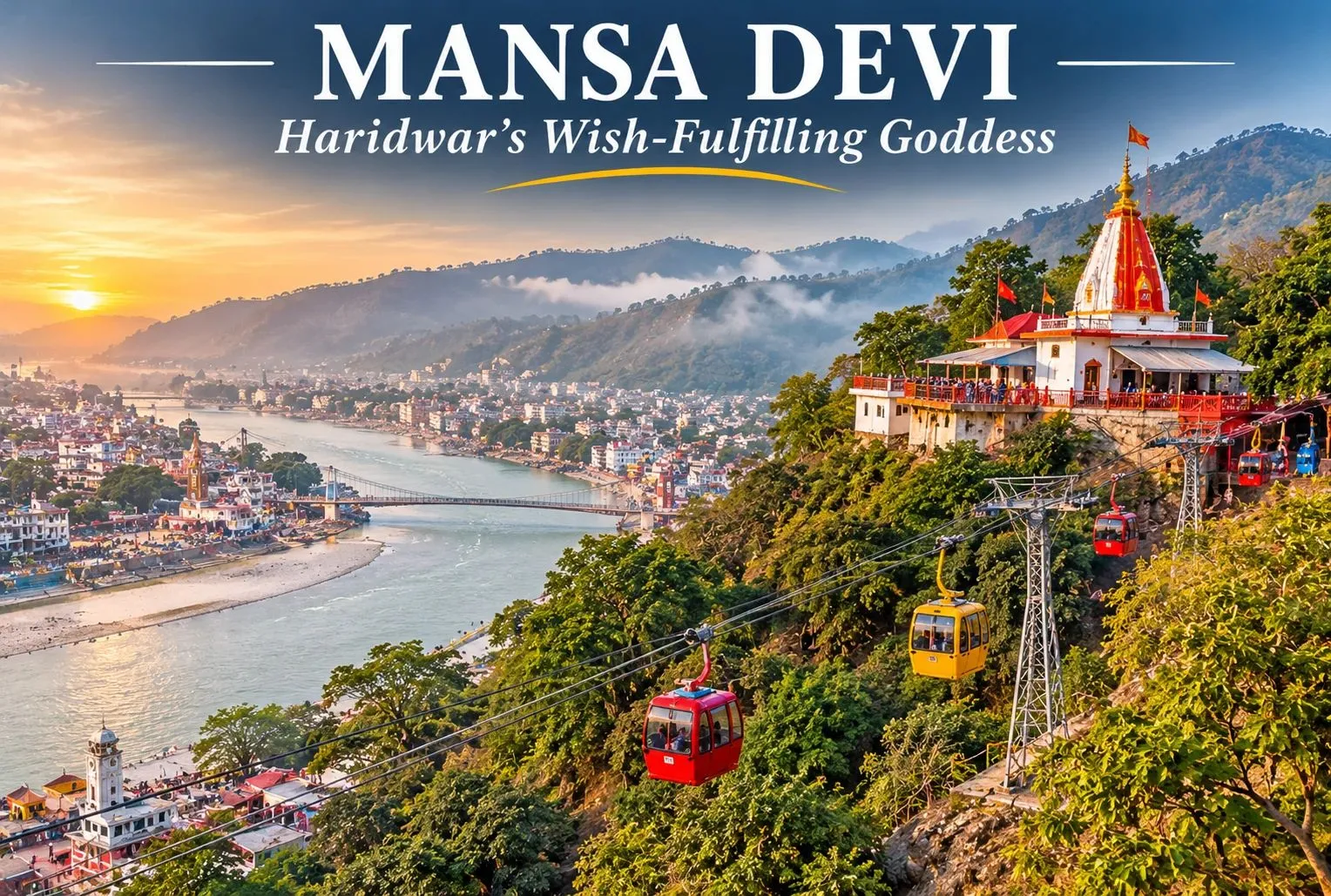
Mansa Devi: The Wish-Fulfilling Goddess of Haridwar and Panchkula

Mansa Devi

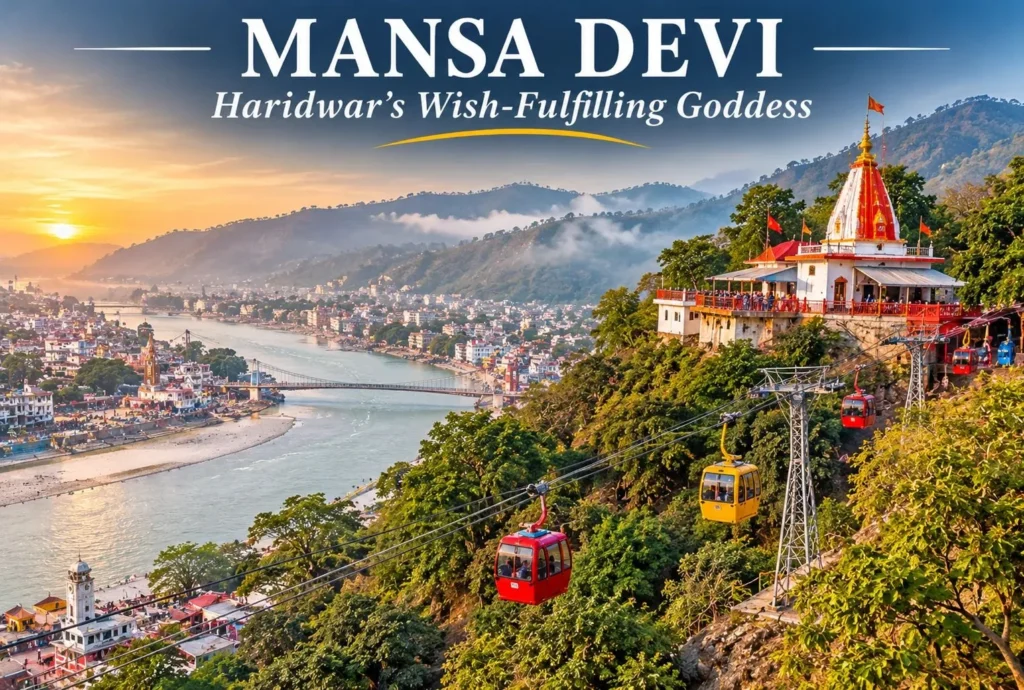
Two hilltop shrines, one goddess, and the same builder behind both. Mansa Devi is worshipped as the goddess who fulfils wishes, and her best-known temples stand in Haridwar in Uttarakhand and in Panchkula in Haryana. This guide covers both, with the ropeway and trek, timings, history, and how to plan a visit.

Mansa Devi Haridwar: Location and Significance

Mansa Devi Haridwar is a hilltop temple on Bilwa Parvat in the Shivalik hills, also called Bilwa Tirth. It is counted among the Panch Tirth of Haridwar and is one of the three Siddha Peeths in the city, alongside Chandi Devi and Maya Devi. Guides place the temple about 2.5 to 3 km from the city centre and the railway station. The goddess is regarded as a form of Shakti who is believed to have emerged from the mind of Shiva, while some accounts say the sage Kashyap. The name Mansa is commonly linked to the goddess who fulfils wishes.

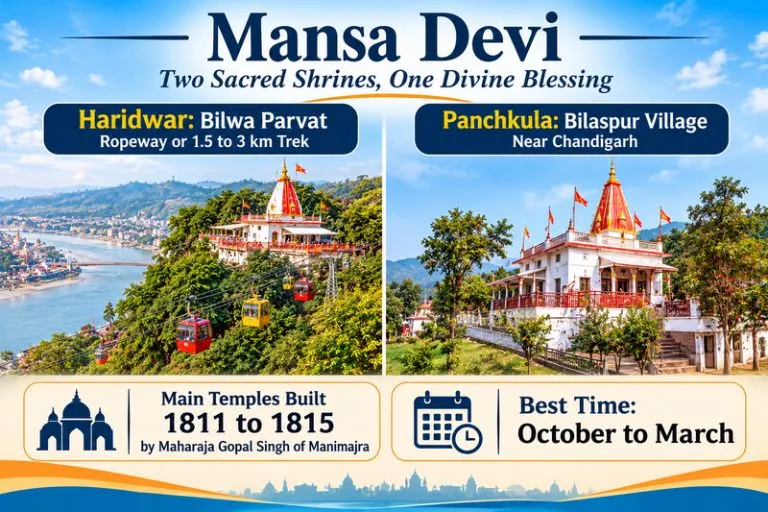
Mansa Devi - Two Sacred Shrines , One Divine Blessing

Devi Mansa Temple History

Mansa Devi Temple history is told in two layers. The tradition describes an ancient Siddha Peeth, while the present main structure is attributed to Maharaja Gopal Singh of Manimajra, who built it between 1811 and 1815. The same ruler is credited with building the Devi Mansa Mandir in Panchkula, which explains why the two shrines share a name and a story. Exact origins of the earlier worship are not documented, so the older legends are best read as tradition.

Maa Mansa Devi and the Wish-Tree Tradition

Devotees go to Maa Mansa Devi with a personal wish. A well-known custom is to tie a thread or string to the sacred tree in the temple precinct while making a wish, and to return and untie it once the wish is fulfilled. Visitor accounts also describe two idols inside the sanctum, commonly described as one with eight arms and one with three heads. Customs and descriptions can differ, so ask the priests if you want details.

Mansa Devi Ropeway: The Udankhatola Ride

The Mansa Devi Ropeway, known as Udankhatola, is the most popular way up. The ride is about 540 to 576 metres long, climbs roughly 171 to 178 metres, and takes around 5 to 10 minutes, depending on the source, with views of Haridwar and the Ganga. Guides give timings of about 6 or 7 AM to 7 PM and a single ticket price of roughly Rs. 100 to 200. Tickets are sold at the base station and online, and fares and timings change, so please confirm them before you go. Many pilgrims take the ropeway up and walk down.

Trek to the Temple

If you prefer to walk, the trail climbs up Bilwa Parvat on a paved path with steps. Guides give the distance as about 1.5 km to 3 km, and the walk usually takes 30 minutes to an hour, depending on pace. It is moderate for most people, but it can be tiring in summer heat and crowded during festivals.

Mansa Devi Temple Complex: What You Will See

The Mansa Devi Temple Complex includes the main sanctum, smaller shrines, the wish tree, shops for prasad and offerings, and viewing points with a wide outlook over Haridwar and the river. Come in the morning for a quieter visit and softer light.

Mansa Devi Mandir Panchkula

The Mansa Devi Mandir Panchkula, also called Mata Devi Mansa Mandir, sits in Bilaspur village in Panchkula district, at the foothills of the Shivaliks near Chandigarh. The main temple was constructed between 1811 and 1815 by Maharaja Gopal Singh of Manimajra. A second temple about 200 metres away was built in 1840 by the Maharaja of Patiala. The shrine board lists summer timings of 4 AM to 10 PM and winter timings of 5 AM to 9 PM.

Mansa Devi Mandir Timings

Mansa Devi Mandir timings differ between sources for Haridwar. Guides list anywhere from about 5 AM to 9 PM, with winter hours from 4 AM and some listings giving a midday break. Temple hours also change on festival days, so please confirm the current schedule before you travel.

Best Time to Visit

October to March is the most comfortable season for both shrines. Summers are hot, and the Navratri periods bring heavy crowds. Early mornings are best any time of year.

How to Reach Devi Mansa

Haridwar: Haridwar Junction is about 3 km from the temple, and Jolly Grant Airport near Dehradun is roughly 35 km away. Autos and taxis run from the Har Ki Pauri area to the ropeway base.

Panchkula: The shrine is close to Chandigarh and Panchkula, which have road, rail, and air connections, followed by a short taxi ride.

A Haridwar Pilgrimage Circuit

Many pilgrims combine three shrines in one day: Mansa Devi, Chandi Devi, and Maya Devi. Har Ki Pauri, the evening Ganga aarti site, is about 1.5 km from the base of the Devi Mansa ropeway.

Extending Your Trip

Haridwar is a gateway to the Himalayas. Explore Hills’ Mussoorie Rishikesh Haridwar Trip pairs the temple town with two more popular stops, and the Char Dham Yatra begins from this region.

For official information on the Haridwar temple, you can refer to Incredible India’s page on Mansa Devi Temple, the Government of India’s tourism portal.

Tips for Visitors

  • Dress modestly and remove footwear before entering
  • Expect queues on Tuesdays, weekends, and during Navratri
  • Keep valuables secure in crowds, and be careful of monkeys on the trail
  • Carry water if you plan to walk

Conclusion

Mansa Devi is a goddess with two famous homes, and each offers a different experience: a ropeway ride over Haridwar or a quiet hilltop shrine near Chandigarh. Check the timings, pick the ropeway or the trek, and go early for the calmest darshan.

Frequently Asked Questions

Where is Mansa Devi Haridwar located?

It is on Bilwa Parvat in the Shivalik hills, about 3 km from Haridwar Junction.

What are the Mansa Devi Mandir timings?

Haridwar listings vary from about 5 AM to 9 PM, and the Panchkula shrine lists 4 AM to 10 PM in summer and 5 AM to 9 PM in winter. Please confirm locally.

How does the Mansa Devi Ropeway work?

The Udankhatola ropeway carries visitors up Bilwa Parvat in about 5 to 10 minutes, with tickets available at the base station and online.

Are the Haridwar and Panchkula Mansa Devi Complex temples connected?

They share the name and the same builder for the present main structures, but they are separate shrines in different states.

Tapkeshwar Mahadev Mandir: The Cave Where Water Blesses the Shivling

Tapkeshwar Mahadev Mandir

In a quiet cantonment corner of Dehradun, a Shivling sits inside a natural cave while water drips onto it from the rock above. That single detail gives the shrine its name, and it is why the Tapkeshwar Mahadev Mandir is one of the most visited Shiva temples in the Doon Valley. This guide covers the legend, Tapkeshwar Temple history, timings, and how to reach it.

Where Is Tapkeshwar Mahadev Mandir?

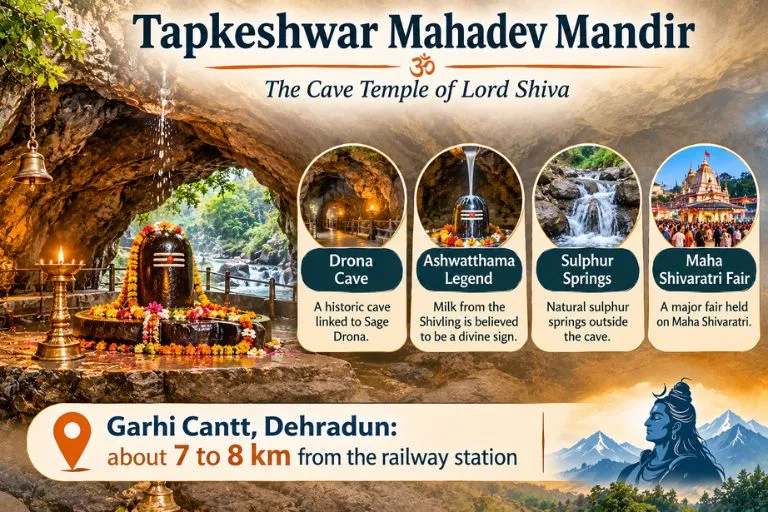
The Tapkeshwar Temple is in the Garhi Cantonment area of Dehradun, on the bank of the seasonal Asan river. Distances differ between sources, but it is generally given as about 6.5 km from the city centre. One guide describes it as 10 km from the city centre and 14 km from the railway station, so please check a live map.

Tapkeshwar Mahadev Mandir—The Cave Temple Of Lord Shiva

Tapkeshwar Temple History and the Ashwatthama Legend

Tapkeshwar Temple history is mostly told through the Mahabharata. According to belief, the cave was once the home of the guru of the Pandavas and Kauravas, Dronacharya, and the cave inside the temple is named Drona Cave after him. The best-known story says that Dronacharya’s son Ashwatthama prayed to Shiva for milk when his mother could not feed him, and milk dripped from the Shivling in the cave. One site claims the shrine is over 6,000 years old, but this is tradition rather than a documented date, so it is best read as faith rather than fact.

The Cave, the Dripping Water, and the Sulphur Springs

The main attraction is the cave itself. Water constantly drips from the ceiling onto the sacred Shivling, which devotees consider a blessing from Shiva. A local guide explains the scientific side: cracks in the ceiling let groundwater seep through and drip onto the Shivling. Outside, sulphur-water springs allow pilgrims to take a holy bath before darshan. Some guides say the water has medicinal value, but that is a belief, not a proven claim.

Tapkeshwar Temple Timings

Tapkeshwar Temple timings are listed differently by different sources. Several guides give about 6:00 AM to 7:00 PM, while another lists 9 AM to 1 PM and 1:30 PM to 5:30 PM. Hours can change on festival days, and entry is listed as free. Please confirm the current schedule locally before you go, and arrive early, since early morning is best to avoid crowds.

The Maha Shivaratri Fair

The temple comes alive during the Tapkeshwar fair at Shivratri, and at that time there can be a queue several kilometres long. If you prefer a calmer visit, avoid Shivaratri and weekends. Mondays are also considered special for Shiva worship and can be busier.

Best Time to Visit

Guides differ on the season. One lists March to June and September to November, while another says October to March is pleasant. Monsoon brings greenery, but unexpected landslides can make it risky. A good rule is to visit on a weekday morning outside the monsoon.

How to Reach Tapkeshwar Mahadev

By train: Dehradun Railway Station is about 7.5 km away, and you can take a city bus toward Garhi Cantt or a cab from the station.

By road: The temple is about 9.7 km from ISBT Dehradun, with buses, autos, and taxis available.

By air: Jolly Grant Airport is about 30.7 km away.

Starting pointApproximate distance
Dehradun Railway Stationabout 7 to 8 km
ISBT Dehradunabout 10 km
Jolly Grant Airportabout 30 to 36 km

Distances vary slightly between guides, so check a live map.

Extending Your Trip

Dehradun is the gateway to many Himalayan routes. Explore Hills’ Kedarkantha Trek starts from the Uttarakhand hills and suits trekkers who want a winter summit after the city, and the Chakrata Adventure Tour offers a quieter getaway close to Dehradun.

For official visitor information on Uttarakhand, you can refer to Uttarakhand Tourism, the state government’s official tourism body.

What to Keep in Mind Before Visiting

  • Dress modestly, as at any Hindu temple, and remove footwear before entering
  • Wear comfortable shoes, since there are steps and a short walk
  • Keep valuables secure in crowds, especially at Shivaratri
  • Photography rules can vary, so ask before you take pictures inside the cave

Conclusion

The Tapkeshwar Mahadev Mandir is a small cave shrine with a big story. The dripping water, the Dronacharya legend, and the sulphur springs together make it a rewarding stop in Dehradun. Check the current timings, go early, and give yourself time to sit and take it in.

Frequently Asked Questions

Where is Tapkeshwar Mahadev Mandir located?

It is in the Garhi Cantonment area of Dehradun, Uttarakhand, on the bank of the seasonal Asan River.

What is Tapkeshwar Temple history in brief?

It is linked to the Mahabharata and Dronacharya, whose son Ashwatthama is said to have prayed here for milk. The exact age is not documented.

What are the Tapkeshwar Temple timings?

Many guides list about 6:00 AM to 7:00 PM, while another gives a shorter daytime schedule, so please confirm locally.

Why is the shrine called Tapkeshwar Mahadev?

The name comes from the water that drips from the cave roof onto the Shivling.

How far is Tapkeshwar from Dehradun Railway Station?

About 7 to 8 km, depending on the guide and the route.

When is the best time to visit Tapkeshwar?

Weekday mornings in the cooler months are best. Shivaratri is the busiest time, with very long queues.

Srisailam Mallikarjuna Temple: Where Shiva and Shakti Share One Hill

Srisailam Mallikarjuna Temple

On a forested plateau of the Nallamala hills, above the Krishna river, one temple complex holds both a Jyotirlinga and a Shakti Peetha. The Srisailam Mallikarjuna Temple is among the most important Shiva shrines in South India, and it draws pilgrims who come for the darshan and stay for the setting. This guide covers the Mallikarjuna Jyotirlinga: where it is, its story, timings, and how to plan your journey.

Where Is Srisailam Mallikarjuna Temple?

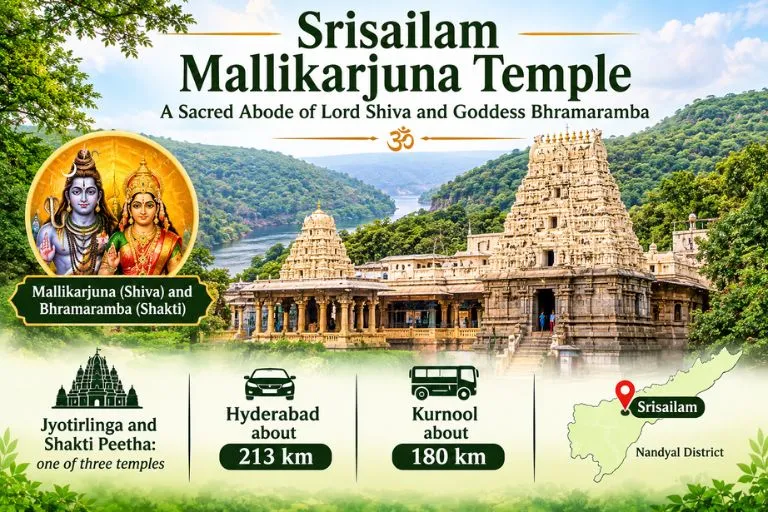
Where is Srisailam Mallikarjuna Temple? It stands on a plateau in the Nallamala Hills at Srisailam, in Andhra Pradesh’s Nandyal district. Older sources still list the Kurnool district because the district boundaries changed. The area lies inside the Nagarjunasagar-Srisailam Tiger Reserve. Here, Shiva is worshipped as Mallikarjuna and Parvati as Bhramaramba within the same complex. Devotees also call it the Mallikarjuna Swami Temple, and many simply say Mallikarjuna.

Srisailam Mallikarjuna Temple - A Sacred Of Lord Shive And Goddess Bhramaramba

Why the Srisailam Mallikarjuna Temple Is Special

The Shri Mallikarjuna Temple is one of only three temples in India that is both a Jyotirlinga and a Shakti Peetha. Because of this, pilgrims traditionally visit both Mallikarjuna and Bhramaramba. Jasmine flowers are customarily offered, in keeping with the deity’s name. Guides also mention a sparsha darshan ritual, touching the lingam, so please check the current rules with the temple administration.

Srisailam Mallikarjuna Temple Story

The Srisailam Mallikarjuna Temple story is tied to the family of Shiva. The most popular legend revolves around Shiva and Parvati’s sons, Ganesha and Kartikeya. In the commonly told version, Kartikeya was upset after Ganesha was married first and withdrew to this hill, and Shiva and Parvati followed and settled here as Mallikarjuna and Bhramaramba. The name is often explained through the jasmine (mallika) offerings and the arjuna tree. These are devotional traditions, and tellings differ between sources.

Mallikarjuna Jyotirlinga Temple Timings

Mallikarjuna Jyotirlinga Temple timings are listed differently by different guides. One listing gives 4:30 AM to 3:30 PM and 4:30 PM to 10:00 PM, while another says the temple is open from 4:30 am to 10 pm, with darshan permitted from 6:30 AM to 1 PM and 6:30 PM to 9 PM. Timings and darshan types can change during festivals, so please confirm the current schedule with the Devasthanam before you travel.

How to Reach Mallikarjuna Jyotirlinga

If you are wondering how to reach Mallikarjuna Jyotirlinga, there are three main options.

By road: Hyderabad is the usual starting point. Guides list the drive as 213 km, about 5 hours through the Nallamala forest, and Kurnool is about 180 km away. The Srisailam bus stand is only about 1 km from the temple.

By train: Srisailam town has no railway station. The nearest railheads are Markapur Road, Nandyal, and Kurnool, with Markapur about 85 km away. Some sources give shorter or longer figures, so please check on a live map.

By air: Fly into Rajiv Gandhi International Airport, Hyderabad, and continue by road.

Starting pointApproximate road distance
Hyderabadabout 213 km
Kurnoolabout 180 km
Markapur Road railway stationabout 85 km (sources vary)

Best Time to Visit

October to March is the most comfortable season, and the temple’s biggest crowds come with festivals. Major festivals include the Maha Shivaratri Brahmotsavam, Ugadi, Karthika Masam, and Navaratri. Plan accommodation early if you are visiting then, and book through the Devasthanam where possible.

Extending Your Pilgrimage

If this visit makes you want to see more Shiva shrines, Explore Hills’ Kedarnath Tungnath Badrinath Yatra covers a major Himalayan circuit, and the Uttarakhand Yatra packages bring several sacred stops together.

For official information on darshan, bookings, and accommodation, you can refer to the Srisailam Devasthanam, the official temple administration, which is run by the Government of Andhra Pradesh.

What to Keep in Mind Before Visiting

  • Dress modestly and follow the temple’s dress code
  • The road passes through forest, so travel in daylight where you can and check local rules
  • Expect long queues during festivals and on weekends
  • Carry cash and keep valuables secure in crowds

Conclusion

The Srisailam Mallikarjuna Temple is rare among pilgrimage sites because Shiva and Shakti are worshipped together on one hill. Check the current timings, plan your drive from Hyderabad, and give yourself time to visit both Mallikarjuna and Bhramaramba.

Frequently Asked Questions

Where is Mallikarjuna Jyotirlinga located?

It is in Srisailam, in the Nandyal district of Andhra Pradesh, on the Nallamala hills above the Krishna River.

What is the Mallikarjuna Jyotirlinga story?

In the popular legend, Kartikeya settled on this hill after a family disagreement, and Shiva and Parvati followed and stayed here as Mallikarjuna and Bhramaramba. It is a devotional tradition, and versions differ.

How to reach Mallikarjuna Jyotirlinga from Hyderabad?

By road, it is about 213 km and takes roughly 5 hours, with buses and taxis available. Hyderabad is also the nearest major airport.

What are the Shri Mallikarjuna Temple timings?

The temple is commonly listed as open from about 4:30 AM to 10 PM with breaks, but schedules differ, so please confirm with the Devasthanam.

Why is the Mallikarjuna Jyotirlinga Temple special?

It is one of only three temples in India that is both a Jyotirlinga and a Shakti Peetha.

What is the nearest railway station to the Mallikarjuna Swami Temple?

Srisailam has no railway station. The nearest are Markapur Road (about 85 km), Nandyal, and Kurnool.

When is the best time to visit the Srisailam Mallikarjuna Temple?

October to March is comfortable, and festivals such as Maha Shivaratri bring the largest crowds.

Jal Mahal: The Water Palace of Pink City

Jal Mahal

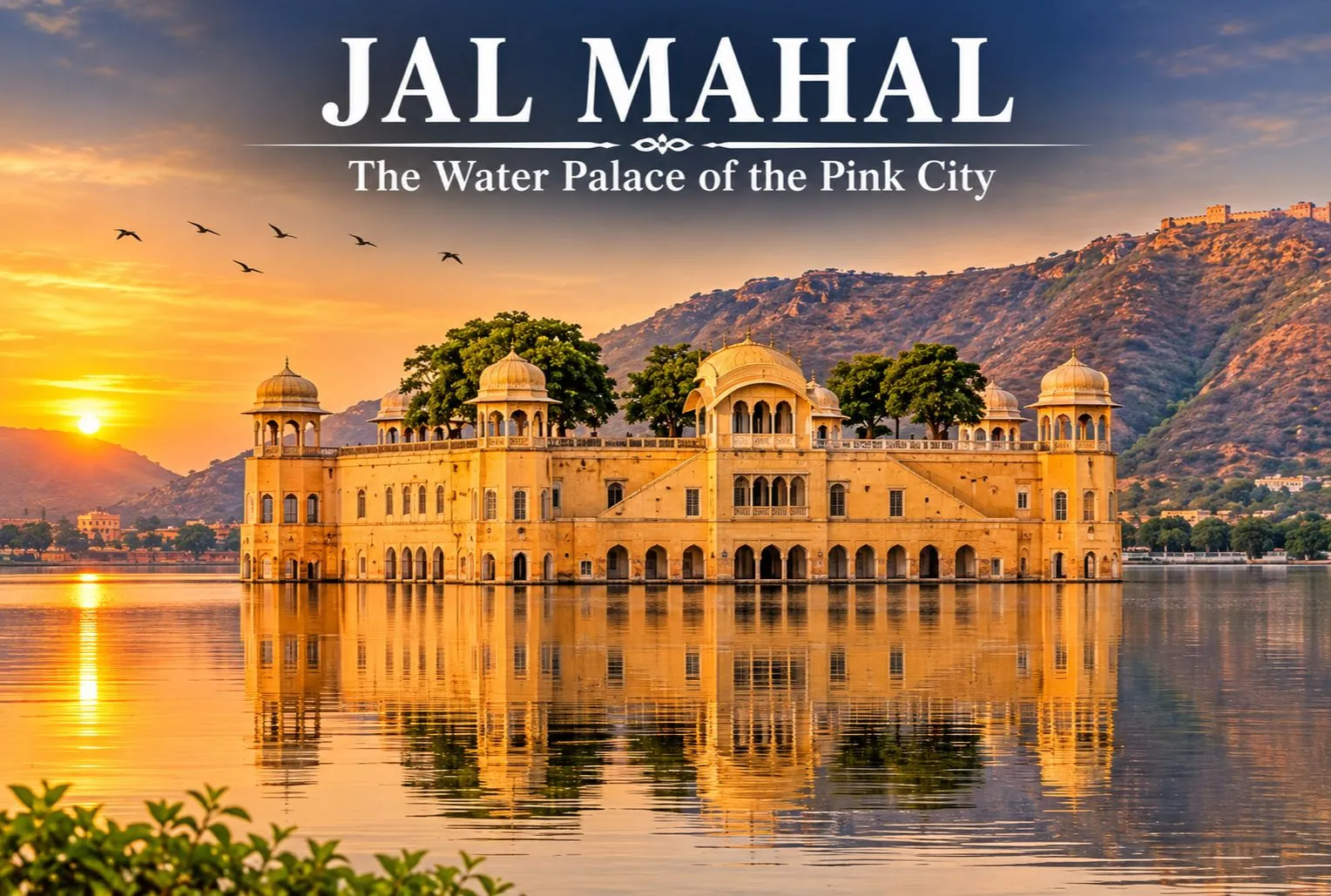
The terracotta blush: in 1876 the city was painted in the hue of hospitality, pink, to welcome the Prince of Wales. That city is none other than Jaipur, popularly known as the Pink City. Here resides the Jal Mahal. The palace, also known as the Water Palace, is one of the most stunning landmarks in Jaipur. The Mahal is located in the center of Man Sagar Lake. The stunning palace seems to float on the water, with the Nahargarh Hills of the Aravalli range in the background. The palace has an amazing architectural design, built with sandstone and surrounded by a serene environment.

This makes it a popular tourist spot for visitors and photographers. Unlike the majority of royal palaces in Rajasthan, the Mahal is surrounded by water and has five storeys. It is therefore a significant part of the architectural history of Jaipur. While most visitors will admire it from the lakeside, its impressive look gives an insight into the royal history of the area.

The Story Behind Jaipur’s Water Palace

Jal Mahal was meant to be a waterfront retreat, a place where the Maharajas of Jaipur could get away from the duties of the court and enjoy leisure activities. The rich heritage of the Kachwaha Kingdom is closely connected with the history of the Mahal, which is commonly associated with the ruler Maharaja Madho Singh I. Records suggest the palace was built in the 18th century as a retreat from the administration of the kingdom, though the exact date and the original use of the Mahal are not firmly documented and historians disagree on some details.

The lake itself is older than the palace. Raja Man Singh I, the ruler of Amber, had a dam built across the Dharbawati River to create Man Sagar Lake as a reservoir, which helped in combating water shortages. Sources date this to the late 16th or early 17th century. The palace was built much later in the lake’s history. Today, the changing look of the palace, shaped by the natural environment and fluctuating water levels, is proof of the centuries it has been through.

Jal Mahal—The Water Place Of Pink City

Architectural Features of Jal Mahal

  • This stunning palace sits at the centre of the lake, surrounded by hills, making it one of the most identifiable landmarks in Jaipur.
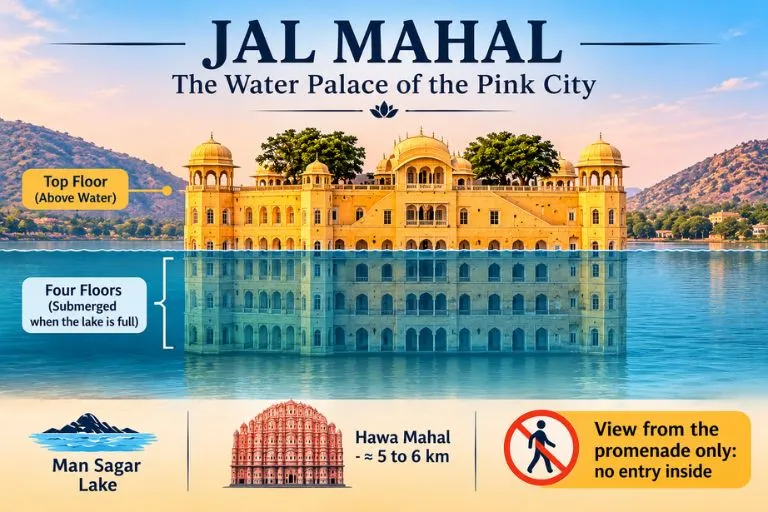
  • The palace has a unique location and is built in the architectural style of the Rajputs. Most of the palace is under water when the lake is full, giving an amazing view of the palace appearing to float on the water.
  • Although commonly said to have five storeys, usually only the top storey is visible. In recent years, restoration has taken place to help protect the palace. The lake and surrounding area have also become a point of interest because of their importance to the urban landscape of Jaipur and its birdlife.

Overall, Jal Mahal is an amazing blend of royal history, traditional architecture, and natural beauty. People often just visit to look at the palace from the shore of the lake, but they also come because it still provides a lasting view into the royal history of Jaipur and how water management and royal leisure were linked historically in Rajasthan.

If you enjoy lakes set among forests and mountains, Explore Hills’ Dodital Darwa Top Trek leads to a beautiful Himalayan lake that is a good contrast to this lake palace.

Best Time to Visit the Palace

The best time to visit the palace is between October and March, when the weather in Jaipur is more pleasant. The weather can be very hot between April and June, so it is best to visit early in the morning or later in the evening. The weather can be quite wet between July and September. Although it may be greener around you, visibility may be affected by the rain. The best time to view the palace is either early in the morning or late in the afternoon. The lighting helps to bring out the colours of the sandstone, and there can be some nice reflections from the lake.

For official visitor information on Jaipur, you can refer to Rajasthan Tourism, the state government’s official tourism body.

Conclusion

Jal Mahal is one of the most captivating landmarks of Jaipur. The palace reflects the blend of royal heritage with stunning architecture and stands gracefully in the middle of Man Sagar Lake. Whether you are a history enthusiast or a photography lover, if you are in Jaipur, Jal Mahal deserves a place in your itinerary. Tourists cannot go inside the Mahal, but visitors come to admire the view and the beauty of the place.

For another quiet lake journey after your Rajasthan trip, Explore Hills’ Satopanth Lake Trek takes trekkers to a sacred high-altitude lake in Uttarakhand.

Frequently Asked Questions

Are visitors allowed inside the Jal Mahal?

No. Entry inside the palace is not allowed, as access has been restricted by the authorities. The monument is also protected to prevent structural damage, vandalism, and environmental degradation of the five-storey building. Visitors can still admire it from the lakeside promenade.

What are the entry charges of the Mahal?

A usual tourist visit to the Mahal is free. Visitors can admire and photograph the palace from the viewpoint beside Man Sagar Lake, whereas going inside the Mahal is prohibited to protect the palace.

What is the distance between Hawa Mahal and Jal Mahal?

The distance between Hawa Mahal and Jal Mahal is roughly 5-6 km by road. The drive from Hawa Mahal usually takes around 15-25 minutes by car or taxi, depending on traffic. You can easily include both visits in a day of sightseeing in Jaipur.

Which city is called the Paris of India?

Jaipur is sometimes called the Paris of India, along with its better-known name, the Pink City. Its well-planned layout, vibrant culture, and royal heritage make it one of the most attractive cities of Rajasthan.

Can visitors go boating at Jal Mahal?

Visitors can admire the palace from the lakeside viewpoint, take photographs, and enjoy the evening, but boating is generally not available as a regular public service. Boat rides near the palace have been offered only at times, and availability can change with water levels, conservation work and permissions, so please check locally before you travel.

Amarnath: The Ice Lingam

Amarnath Temple

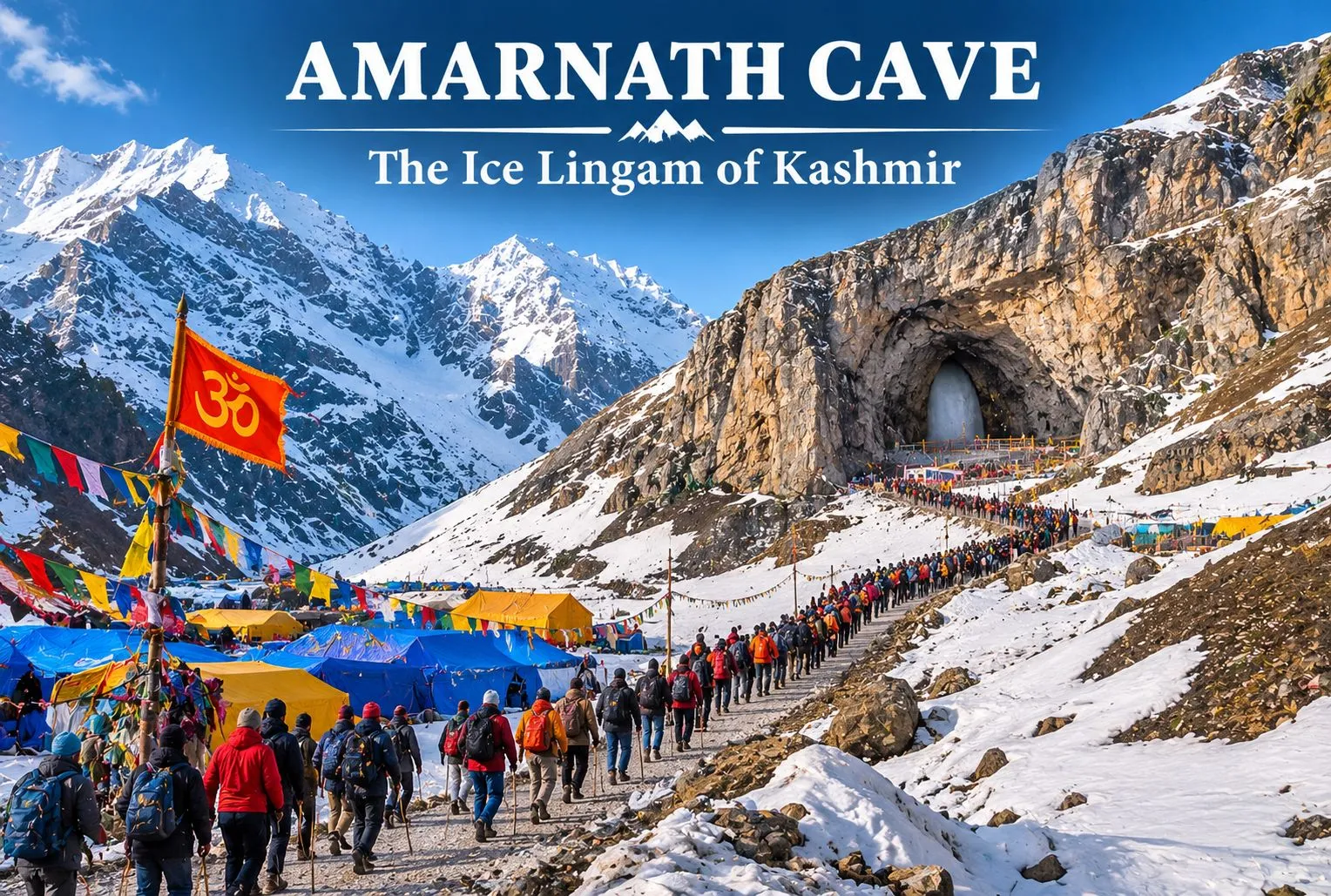
Amarnath is a holy cave associated with Lord Shiva. The shrine is a tall ice stalagmite that gradually builds up on the cave floor as water drips and freezes from the roof of the cave. Devotees believe that this natural ice formation is the Shivling, and they call it “Baba Barfani,” which means “the snowy father.” In religious texts and local culture, the ice lingam is also referred to as Amreshwar and Amareshvara Mahadeva. Many people call it a temple, but it is not a built temple with walls and towers. It is a cave formed by nature, and the shrine has been created by nature itself. That is what makes it so special.

The Legend Behind the Cave

According to a popular belief, Lord Shiva chose this cave to tell Goddess Parvati the secret of immortality, the “Amar Katha.” The name comes from “Amar,” meaning immortal, and “Nath,” meaning lord. So the name means “the Lord of Immortality.”

The story also says that Shiva left his bull Nandi at Pahalgam, the moon on his head at Chandanwari, and his snake at Sheshnag Lake before going into the cave. This is why many stops on the route have these names even today.

Another famous tale claims that a shepherd named Buta Malik discovered the cave in the 1800s. The story might change, but the faith of devotees remains unwavering.

Amarnath Yatra—Two Routes, One Sacred Journey

Amarnath Cave Location: Where Is It?

The Amarnath Cave is located about 141 km from Srinagar in the Anantnag district of Jammu and Kashmir. It is situated in a narrow valley surrounded by high snow-covered mountains. Buses can be taken only to the base camp, after which the journey must continue on foot or horseback. Helicopters can also be used to reach the cave, depending on conditions.

Travellers who want another high-altitude Shiva pilgrimage can look at Explore Hills’ Adi Kailash Om Parvat Yatra, which also needs careful planning and permits.

How High Is the Cave?

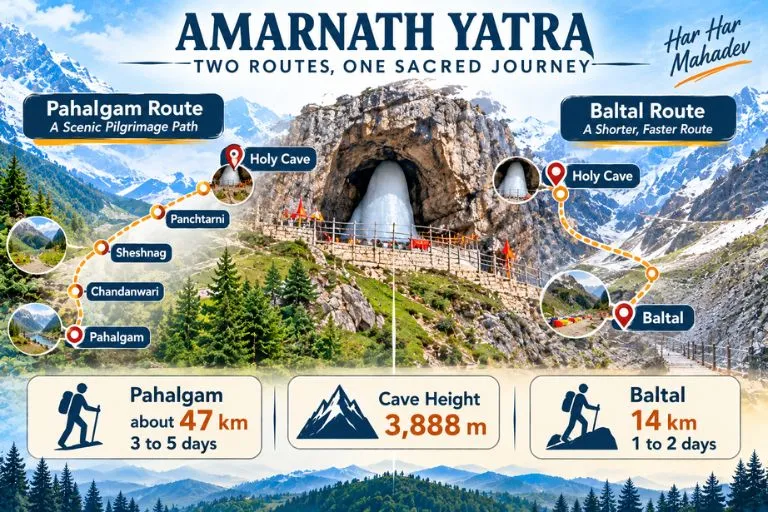
The Amarnath Cave is roughly 3,888 meters (12,756 feet) above sea level. This elevation is one of the reasons the weather changes quickly. It might be sunny in the morning and snowy by the afternoon. The evenings are freezing, and even in summer one can feel the cold breeze. This is why doctors advise pilgrims to prepare carefully before planning a visit.

Amarnath Trek Distance: Which Path Will You Select?

There are two Yatra routes that pilgrims can take to reach the cave, and both are well connected from the major cities. The Pahalgam route crosses Mahagunas Pass at around 14,000 feet, so being physically fit and mentally prepared for the journey is a must. The two routes are:

Yatra from Baltal to Amarnath Cave

This is the most popular and shortest route to reach the Amarnath Cave. Baltal is 14 km from the cave, and the route is for walking only. Ponies are not allowed, but pilgrims can be carried on ‘dandies.’ The trek via Baltal usually takes 1-2 days to complete. This route is advised for people who are young and healthy and looking for some adventure amidst the religious trip.

Yatra from Pahalgam to Amarnath Cave

This is the traditional and most preferred route, and it is about 46 to 48 km from Pahalgam to the cave. The first step of the Yatra starts at Chandanwari, which is 16 km from the Pahalgam base camp and sits at 9,500 feet. Then come Pissu Top at 11,000 ft, Sheshnag at 11,730 ft, and Panjtarni at 12,000 ft, followed by a final stretch of about 6 km from Panjtarni to the cave. Distances between stops vary slightly between sources, so please check the Shrine Board’s route page for the day-by-day plan. Pilgrims who cannot walk this far can opt for helicopter services, which are available to Panjtarni. The one-way trek usually takes 3-5 days to complete.

How to Register for Amarnath Yatra?

The Yatra is held once every year in summer. The dates are declared by the authority that manages the yatra, the Shri Amarnathji Shrine Board, and the journey traditionally ends on the festival of Raksha Bandhan.

Pilgrims planning the yatra must complete some basic steps:

  • Register your place in advance through the official SASB platform.
  • Get a Compulsory Health Certificate from an approved doctor.
  • Keep your official Yatra Pass along with a valid government ID with you during the trip.

In recent years, only pilgrims aged between 13 and 70 have been allowed to undertake the yatra. Since the health and age criteria can change every year, it is very important to stay updated by referring to the official website. Don’t believe any random agents or unofficial websites offering easy registration.

For official dates, registration, and health-certificate rules, you can refer to the Shri Amarnathji Shrine Board, the authority that manages the yatra.

What Is the Best Time to Go?

The cave is covered in heavy snow in winter, and the routes are closed for safety reasons. The trek routes open only in the summer months, when enough snow has melted to allow the trek. Since the weather is unpredictable, it is necessary to review the forecast and the Shrine Board notices before you travel.

Amenities at Shri Amarnath Yatra

The Indian Army, NGOs, the Central Government, the State Government, and other government services work together to provide the best facilities for devotees. There are stalls and resting camps with a continuous supply of food. The yatra is mainly managed by the Shri Amarnathji Shrine Board, which provides facilities like power supply and firewood. Helicopter services from the base camps to Panjtarni are also available from various private operators.

Conclusion

The Amarnath Cave is more than a place to visit. It is a high-altitude cave of ice, belief, and adventure in the Himalayas. You now know that the cave is located at approximately 3,888 meters in Jammu and Kashmir, that the yatra happens every summer, and that the trek is either about 46 to 48 km or about 14 km, depending on the route you choose. With careful planning and proper registration, the experience can be safe and memorable.

If you would like to continue your Shiva pilgrimage in the Himalayas afterwards, Explore Hills’ Kedarnath Yatra is a natural next journey.

Frequently Asked Questions

Where is the Amarnath Cave (Amarnath Temple) located?

The Amarnath Cave is located in the Anantnag district of Jammu and Kashmir, India, about 141 km from Srinagar.

What is the height of the Amarnath Cave?

The height is approximately 3,888 meters above sea level.

When does the Amarnath Yatra happen?

The Yatra happens once every year, usually from late June or July to August, and ends on the Raksha Bandhan festival. The Shrine Board announces the dates each year. In 2026 the yatra ran from 3 July to 28 August.

What is the trek distance of the Amarnath Cave?

The trek is about 46 to 48 km one way via the Pahalgam route and about 14 km one way via the Baltal route.

Who manages the Amarnath Yatra?

The Shri Amarnathji Shrine Board manages the Amarnath Yatra.

An Insider of The Dhari Devi Temple

Dhari Devi Temple

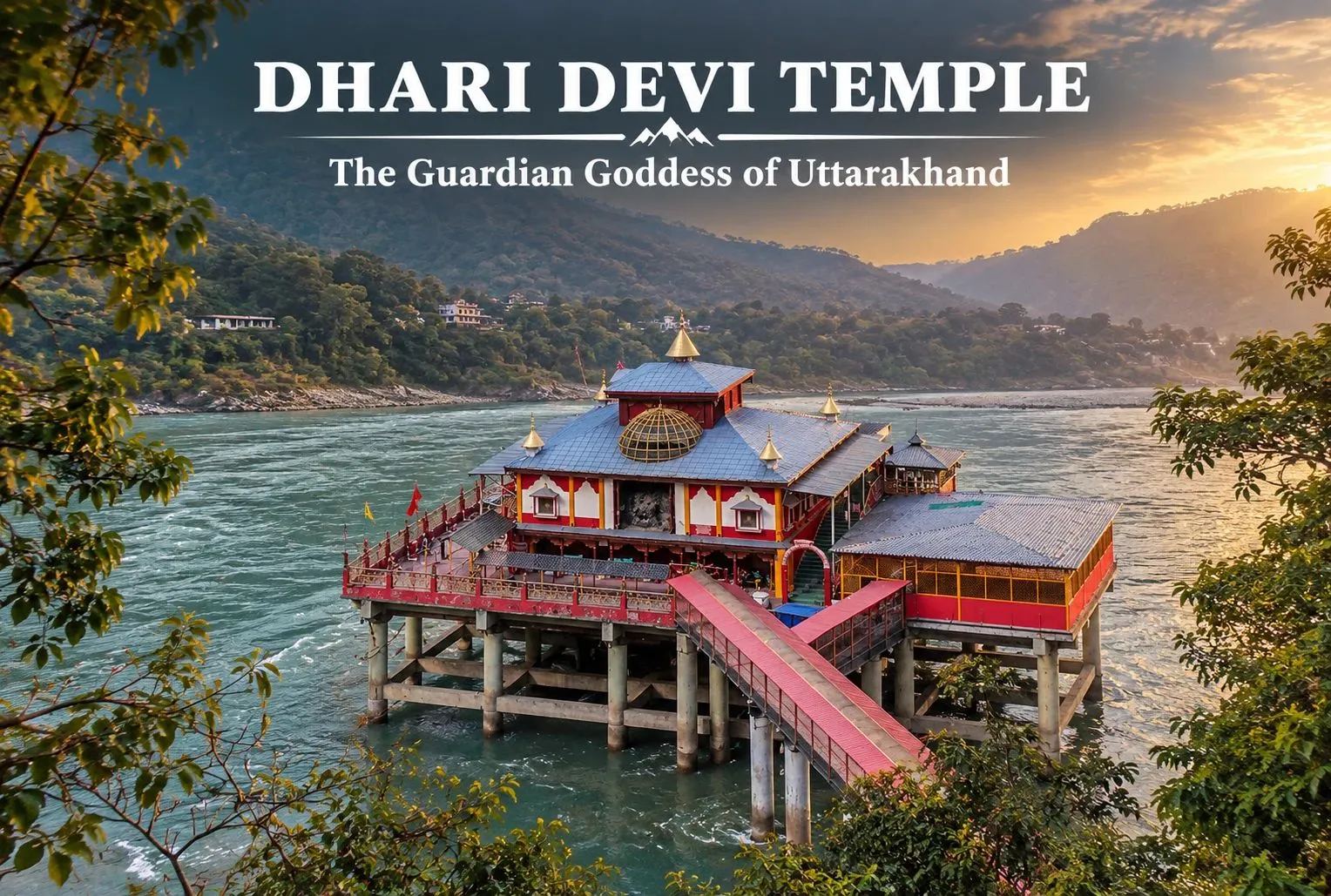
Dhari Devi Temple is a sacred Hindu shrine to the goddess Dhari, a form of Kali, located on the banks of the Alaknanda River at Kalyasaur near Srinagar in Pauri Garhwal district, Uttarakhand. The temple, located at the riverside, is traditionally revered as one of the 108 Shakti Pithas and guardian of Uttarakhand’s Char Dham. It holds the upper half of the idol of the goddess Dhari, while the lower half of the idol is located in Kalimath. Devotees walk through a short paved path which leads to the shrine and an ancient cave lies nearby, many visitors arrive during Navaratri.

According to local legend, the goddess’s idol was discovered near the river and became an important place of worship. The temple also attracted attention when the idol was relocated in 2013 due to a hydroelectric project.

Another interesting belief related to the temple is that the goddess’s facial appearance changes throughout the day, from that of a young girl to a woman and then an elderly woman. All these traditions and beliefs make Dhari Devi Mandir an important pilgrimage site for devotees and visitors.

Dhari Devi Temple History

There is no clear evidence of the origin and construction of the first temple of Dhari Devi. However, the construction of this temple is deeply rooted with a mythological story. As per the folklore, Maa Dhari Devi was the youngest sister among seven brothers. After the death of their parents, her brothers took good care of her and she also loved them a lot. After some time, an astrologer visited her home and told her brothers that her presence will bring misfortune to their house.

After a series of misfortunes in their house, the brothers decided to kill her. They slaughtered her in two parts and threw her in the river. It is believed that the upper half drifted and reached Kalyasaur village, where this temple is now located and spotted by a washerman. He got the instruction to put the upper half on a rock, where the temple was later on created, while the lower half floated toward the place where the modern Kalimath temple is located.

Dhari Devi Temple - The Guardian Goddess Of Uttarakhand

Best Time to Visit Dhari Devi Temple

Maa Dhari Devi Temple of Srinagar, remains open to visitors for most of the day. Devotees can visit the temple from 6:00 AM everyday till the closure of the temple at 7:00 PM with a short break of 2 hours from 12:00 to 2:00 PM. One can visit the temple throughout the year, however, the best time to visit the Maa Dhari temple is March to June (spring and summer) and September to November (autumn). The months outside the main monsoon period are often more comfortable for travelling through the Garhwal region.

For official travel and accommodation information across Garhwal, you can refer to Garhwal Mandal Vikas Nigam, the Uttarakhand government tourism undertaking.

Religious Significance of Maa Dhari Devi

Maa Dhari Devi holds an important position in the cultural and religious traditions of Uttarakhand. Devotees worship Maa as a form of Goddess Kali and believe that she protects the region from negative forces and difficulties. She is also regarded by many local people as a guardian deity of the Garhwal region. The temple becomes especially important during Navratri and other religious festivals. During these times devotees worship the goddess with great devotion. During these occasions, the atmosphere becomes more spiritual as people in huge numbers gather to offer prayers and participate in religious activities.

The Mystery Behind Dhari Devi Face Changes

Local folklore suggests that an individual perceives Dhari Devi’s idol in three appearances: that of a pure child (innocence), a dignified adult (maturity), and a sagacious elder (wisdom). Certain individuals suggest that the alteration in appearance relates to the time of day, the sun’s position, and so on.

Additionally, there is an ‘angry face’ that some people report having observed. The ‘angry expression’ signifies that a significant catastrophe is imminent. It likely relates to the intention behind a believer’s approach to Dhari Devi, whether it’s to seek forgiveness for sins, express gratitude for a particular blessing, or simply wish for overall well-being! Additionally, the Devi is believed to have originated from Goddess Kali, the fierce and wrathful embodiment of Ma Shakti.

Travelers who want to pair this stop with a longer Garhwal circuit can explore Explore Hills’ Kedarnath Tungnath Tour.

Famous Places Near Maa Dhari Temple

1. Kedarnath

  • About 110- 110 kms from the Dhari Temple, Kedarnath is located in Rudraprayag district in the midst of Uttarakhand.
  • One of the twelve Jyotirlingas of Lord Shiva.
  • One of the the four Char Dham Shrines.

2. Gaurikund

  • Located in Rudraprayag district of Uttarakhand. Gaurikund is about 90–95 km from Dhari Devi Temple depending on the route.
  • It is famous for being the traditional starting point of the Kedarnath trek.

3. Guptkashi

  • Located in Rudraprayag district of Uttarakhand. Guptakashi is about 60–65 km from Dhari Devi Temple by road.
  • Guptkashi is an important pilgrimage stop on the route to Kedarnath.

4. Tungnath Temple

  • Located near the Chopta village in the midst of the Garhwal Himalayas. Tungnath Temple resides around 40-50 kms from the Dhari Devi Temple.
  • It is the highest Shiva Temple in the world.

Trekkers who want to continue from Tungnath to the summit can look at Explore Hills’ Chopta Tungnath Chandrashila Trek.

Frequently Asked Questions

Where is Dhari Devi Temple located?

Dhari Devi temple resides on the banks of the Alaknanda River in Kalyasaur near Srinagar in Pauri Garhwal district, Uttarakhand.

What is the best time to visit Dhari Devi Temple?

Summer and autumn are considered the best seasons to visit the temple in the year between the months March to June and September to November.

What is the belief about Dhari Devi’s changing face?

According to the local belief, the idol of Dhari Devi changes its facial form three times a day and appears as a young girl in the morning, a radiant young woman at midday, and an elderly woman by the evening.

Was the idol of Dhari Devi relocated?

Yes, the idol was relocated in 2013 due to a hydroelectric project on the Alaknanda River. The relocation became a widely discussed event because of the temple’s religious importance and local beliefs surrounding the goddess.

Why Uttarakhand Is Called Devbhoomi

Devbhoomi Uttarakhand

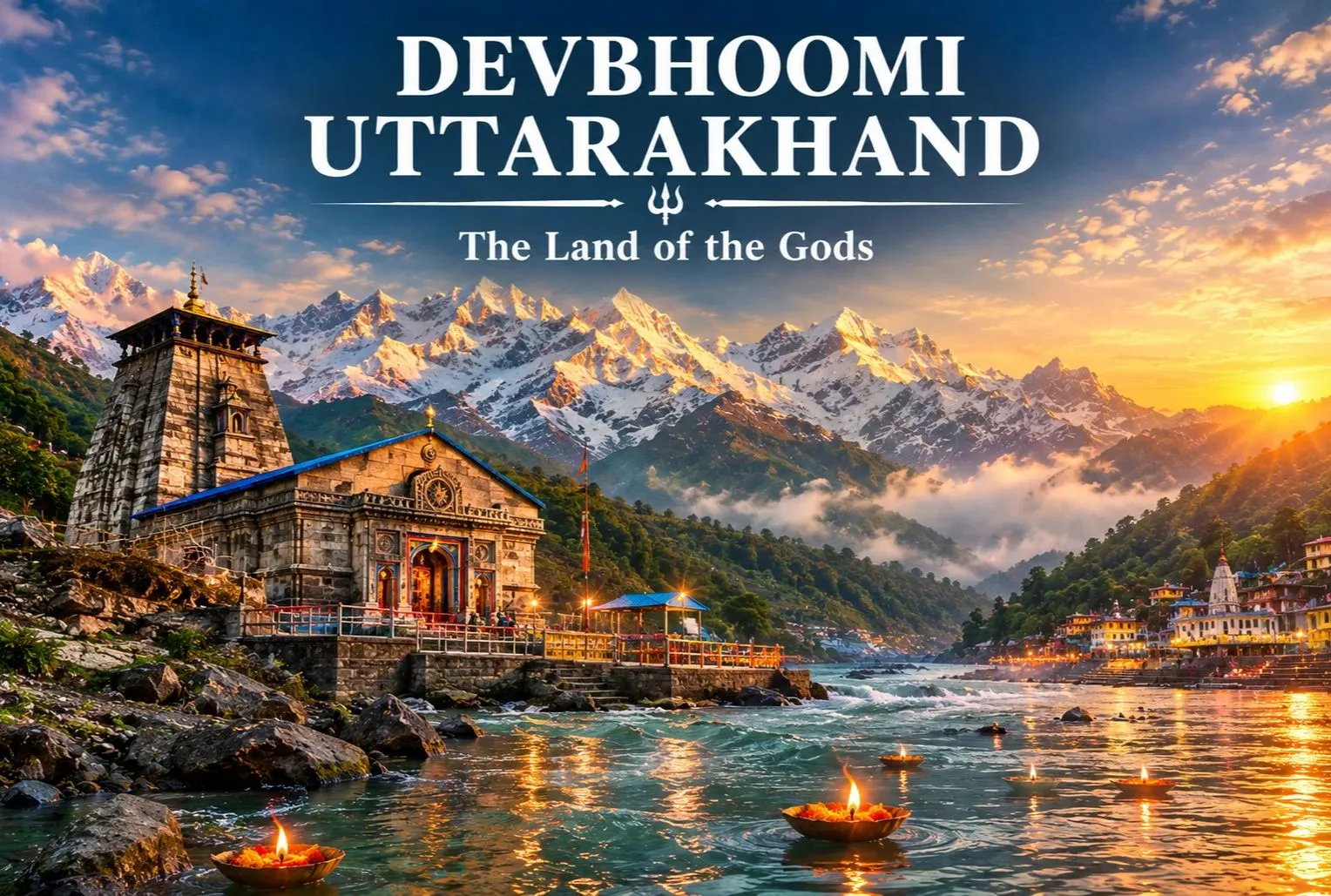
Uttarakhand is one of the most beautiful states in North India, known for its green valleys, holy temples, and riverine landscapes. Often called Devbhoomi, which means “Land of Gods,” this state holds a special place in Indian culture and spirituality. It attracts devotees, travelers, nature lovers, and Thrill-seekers who want to behold the majesty of the Himalayas. From the peaceful hill stations of Mussoorie and Nainital sites to the famous Char Dham pilgrimage, the area provides something for every visitor. Whether you want to enjoy mountain views, explore different temples, or learn more about local culture, Uttarakhand is a great place to start your journey.

What Does Devbhoomi Mean?

The word “Devbhoomi” is made up of two words. “Dev” means god, and “Bhoomi” means land, so it simply means “land of the gods.”

In ancient texts, this area was known as Manaskhand (Kumaon) and Manaskhand (Garhwal). The state is quite young. It was separated from Uttar Pradesh on 9 November 2000 and became India’s 27th state, with its capital as Dehradun.

In Hindu tradition, the Himalayas are linked with gods with sages who came here to meditate, many people believe that:

  • Lord Shiva lives in the Himalayas.
  • The origin of holy rivers like the Ganga.
  • Countless sages found peace in these mountains.
  • The location of Hinduism’s most important pilgrimage sites.

Because of all this, the state is called Devbhoomi. Many famous religious towns are loud and crowded. Here, the feeling is quieter and closer to nature.

Uttarakhand Devbhoomi

The Char Dham Yatra Begins in Uttarakhand

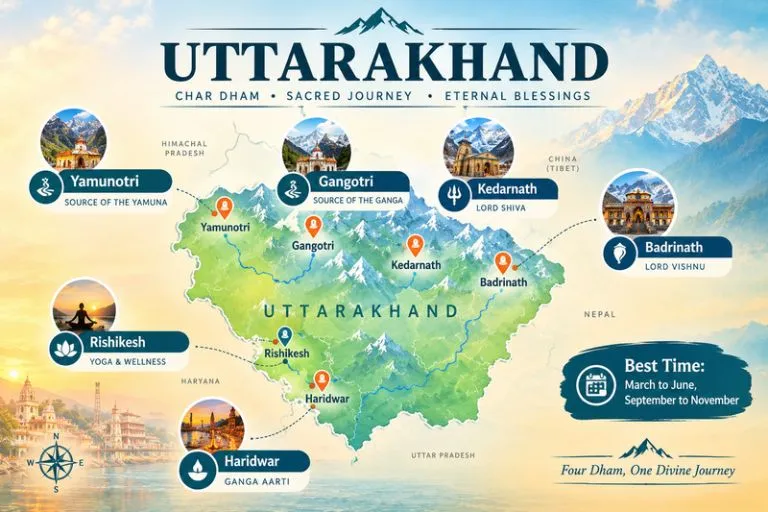
If anyone asks why Uttarakhand is called Devbhoomi, the first answer is Char Dham Yatra. This ancient pilgrimage includes four holy shrines high in the Himalayas:

  • River Ganga linked with, Gangotri.
  • The source of the river Yamuna, Yamunotri.
  • Badrinath, dedicated to Lord Vishnu.
  • Kedarnath, dedicated to Lord Shiva.

The journey is not that much easy. Roads are steep, the weather can change quickly, and some areas need a long walk. Yet, thousands of devotees make the trip every year.

For many of them, the grind is part of the draw. Long drive through the peak, the sound of temples and flowing rivers carry you away from the rush of city life.

Travelers who want to cover two of these shrines in a guided trip can look at Explore Hills’ Kedarnath Tungnath Badrinath Yatra.

The Holy Pull of the Rivers

The Rivers are at the heart of life here. At Yamunotri the yamuna start, and the Ganga begins as the Bhagirathi near the Gangotri glacier. For many devotees, these are not just water sorces.

Rishikesh and Haridwar are known for much and more for tourism. They are the center of tradition, meditation and yoga. The evening Ganga aarti at Triveni Ghat in rishikesh and Har ki Pauri in Haridwar is one of the most moving sights in the state. Lamps float down the river while slogans fill the air. Even those who visit for the first time frequently experience it as both spiritual and tranquil.

Trekkers who want to walk to the glacier source itself can explore Explore Hills’ Gaumukh Tapovan Trek.

Spiritual learning of Yoga and Mindfulness

In recent years, Uttarakhand has become popular with tourists from around the world who want to learn meditation and yoga, Rishikesh is the best place for all those people. In Rishikesh Visitors usually come for:

  • Meditation centres.
  • Himalayan wellness and healing.
  • Spiritual classes and ashram stays.
  • Yoga retreats.

There is a reason this works so well. When you are surrounded by fresh air and quiet peaks, your mind quiets down naturally. There are no distractions, so you notice your own thoughts more clearly. Certain individuals come seeking adventure but find themselves sitting next to a river for hours in the end without looking at the clock.

How Faith Shapes Daily Life

In Uttarakhand, faith is not just that we find inside temples. It’s woven into daily life. Across countless villages, locals still worship community gods, celebrate changing seasons, and gather at lively temple fairs that bring everyone closer.

You can notice it in small moments:

  • Morning worship at a village temple.
  • Devotional music playing softly from a small temple.
  • People folding their hands before starting a journey.

In large cities, traditions may turn into swift actions. In the hills, they remain within ordinary routines. That is why many travellers remember minor details, such as a bell heard from far away, a conversation with a vendor, or a tea stop on a winding road.

Reasons Why Travelers Experience a Strong Connection Here

Ask visitors of Uttarakhand, what stays in their mind, and many will tell it is a feeling that is hard to explain. Some will say, it is the habitat, tranquil mountains, temple sounds and a more relaxed lifestyle. But it is not only the temples or the myths. It is the whole mood of the location.

Best Time to Visit Uttarakhand for Spiritual Journeys

Uttarakhand is lovely year-round, but the most enjoyable months for a spiritual journey are between March to June and September to November. In these months:

  • The weather is pleasant.
  • Temple paths are easier to walk.
  • Mountain roads are more secure.
  • Visiting attractions is more laid-back.

Remember that the Char Dham temples are open only for a certain part of the year, usually from spring to autumn, and dates change every year.

For official yatra registration and tourist information before you plan, you can refer to the Uttarakhand Tourism Registration and Tourist Care portal, the state government’s official platform.

Conclusion

Uttarakhand is called Devbhoomi for multiple reasons: old shrines, holy rivers, mountains, and a calm that is difficult to find in other places. Mythology and devotion play a role, but so is the simple feeling of being somewhere peaceful. Many people go home taking that peace with them. No matter if you visit for a trip, for meditation, or just to enjoy the Himalayas, Devbhoomi Uttarakhand has a way of making you feel connected.

Frequently Asked Questions

Why is Uttarakhand named Devbhoomi?

Uttarakhand is named Devbhoomi, or “land of the gods,” because it has Char Dham shrines, the origin of the Yamuna and Ganga, ancient temples and many old stories.

What is the meaning of Devbhoomi?

“Dev” means god, and “Bhoomi” means land. Together, it means “land of the gods.”

Which locations make up the Char Dham in Uttarakhand?

The Char Dham is the primary nationwide circuit of India. The Char Dham locations in Uttarakhand consist of Gangotri, Yamunotri, Badrinath, and Kedarnath.

When is the good time to explore religious places in Uttarakhand?

From March to June and September to November are the most comfortable months. Because in these months the weather is pleasant and the roads and trails are easier.

Is Rishikesh a good location to learn yoga?

Yes. Rishikesh is famous all over the world for its yoga, meditation and ashrams, attracting many visitors who want to learn and relax.


A Glimpse of the Chitai Golu Devta Temple

Chitai Golu Devta Temple

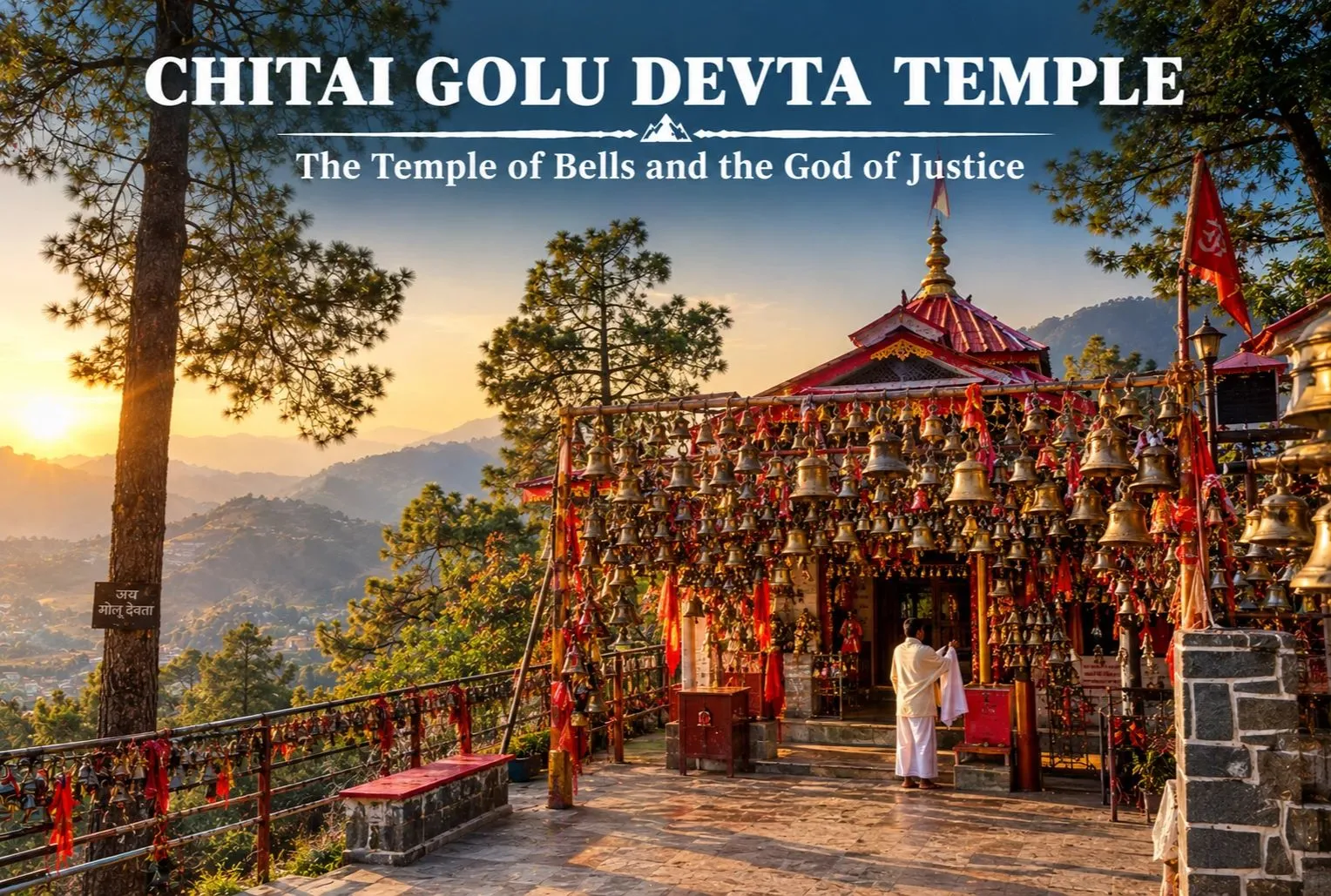
Chitai Golu Devta Temple is a sacred Hindu temple dedicated to Golu Devta, who is popularly known as Goljyu Devta. Golu Devata is a deity of the Kumaon region as well as the eastern Garhwal region of Uttarakhand. He is also referred to as the god of justice. The temple was constructed in the 12th century by a general belonging to the Chand Dynasty. The statue of Lord Golu installed in the temple is of white color. Golu Devta is seen sitting on his horse. The temple is surrounded by a thick forest of Chir pines. Golu Devta is famous as Nyaya ke Devta. He is believed to be an incarnation of Lord Shiva in the form of Gaur Bhairav.

The temple holds a great religious value and devotees offer their prayers utilizing white cloth, pagri, and white shawl. The belief of locals says any issue related to legal cases can be solved or fulfilled by writing it down on a white paper and tying it along with a bell in the temple. Every day this temple of Golu Devta is visited by thousands of pilgrims in order to get their wishes fulfilled. The temple looks extraordinary and can be easily recognized by the number of copper bells hung on its premises.

History and Origin of Chitai Golu Devta

Tales about his birth differ from place to place. One popular legend tells of King Jhal Rai and his queen, Kalinka. The story about Golu says the king, while hunting, sent his servants to look for water. The servants disturbed a woman who was praying. The woman, in a fit of anger, taunted the king that he could not separate two fighting bulls and proceeded to do so herself. The king was very impressed by this deed and he married the lady.

When this queen gave birth to a son, the other queens, who were jealous of her, replaced the boy with a silbatta (batan, stone), put him in a cage, and cast him into the river. A fisherman eventually found the child and raised him. When the boy grew up, he took a wooden horse to the river and on being questioned by the queens, he replied that if women can give birth to stone, then wooden horses can drink water. When the king heard about this, he punished the guilty queens and crowned the boy, who went on to be known as Golu devta.

Chitai Golu Devta Temple - Traditions & Faith

Chitai Golu Devta Temple Almora Uttarakhand

The Chitai Golu Devta temple is located in Chitai village, roughly 8 to 10 kilometers from Almora town on the Almora–Pithoragarh or Jageshwar Dham road (State Highway 37) in Uttarakhand.

Temple Location

● Located on the Jageshwar- Dham road, Golu Devta Temple is situated at a distance of 8.5km from Almora.

● It is Situated at the top of a hill amidst the Kumaon hills, 25km from Binsar Wildlife Sanctuary in the Chitai village. It is easily connected by motorable roads with all the nearby destinations of Uttarakhand.

● Can be easily reached via road from with all the nearby destinations of Uttarakhand.

● The nearest major Railway station is Kathgodam Railway Station which is at a distance of 89km approx. Cab/ Taxi is easily available from the station to reach Chitai Temple.

Best time to Visit Chitai Golu Devta Temple

Chitai Golu Temple timings are Monday to Sunday between 6 A.M. to 10 P.M. One can visit the temple throughout the year, however, the best time to visit the Chitai temple is March to June as it will be really enjoyable during this time with pleasant weather. July and August can be a little difficult due to the Monsoon Season. But October to May is again a good time to visit, with snowy mountains surrounding the region here.
For official travel information and advisories in this region, you can refer to the Uttarakhand Tourism Development Board, the state government’s official tourism body.

Religious and Cultural Importance of Golu Devta and the Chitai Temple

India’s social and religious environment is diverse, featuring numerous deities that are not exclusively part of the primary Brahmanical/Puranic Hindu traditions. Throughout India, individuals venerate regional deities and ancestral spirits that are tied to the particular geography and borders of their territory. In the Himalayas, particularly, the worship of such deities, and the practices related to it, have not been absorbed into the mainstream Hindu pantheon as yet. The local people believe in these gods who seem to exercise control over different territories. One of these prominent deities who has become significant over the last few years is Goludevta or Goriya Raja of Uttarakhand.

Golu Devata is seen in the form of Bhairav. Golu Devata is also worshiped as a key ancestral deity (Ista/Kula Devta) in many villages in Kumaon and Garhwal regions of Uttarakhand.

There are many temples of Golu Devata in the Kumaon region, and one of the most popular temple is the Chitai Golu Devta Temple . It is a popular belief that Golu Devata dispenses quick justice to the devotee. Many devotees file a lot of written petitions daily, which are received by the temple.

Things to Experience at the Chitai Temple

● Worshippers pin written letters, family problems, or even formal legal documents referred to as ‘Arzi’ directly to the temple walls, asking the deity to act as the ultimate judge and resolve their problems.

● Pilgrims tie brass bells around the temple grounds as a symbol of gratitude once their prayers are answered.

● Traditional offerings like white cloth, white turbans (pagri), and white shawls are frequently presented to Golu Devta by the pilgrims.

● Traditional offerings like white cloth, white turbans (pagri), and white shawls are frequently presented to Golu Devta by the pilgrims.

Conclusion

Chitai Golu Devta Temple is an important religious place in Almora, Uttarakhand, and holds a special place in the hearts of devotees. The temple is famous for its association with Golu Devta, who is worshipped as the God of Justice. The tradition of offering bells and writing petitions makes this temple different from many other temples. Along with its religious importance, the temple also gives visitors a chance to learn about the culture and traditions of the Kumaon region. Overall, Chitai Golu Devta Temple is a meaningful place to visit for anyone exploring the spiritual and cultural beauty of Uttarakhand. Travelers who enjoy temple treks in the Garhwal Himalayas can also explore at Explore Hills’ Kalpeshwar Rudranath Trek.

Frequently Asked Questions

Why are bells tied around Chitai Golu Devta Temple?

Bells are tied around the Chitai Golu Devta Temple by the devotees as a symbol of gratitude when they believe their prayers have been answered.

What is an Arzi at Chitai Golu Devta Temple?

An Arzi is a written petition or request presented by devotees to Golu Devta. People write about their problems, concerns, or wishes on paper and offer their petitions as an expression of faith in the deity’s justice.

What should devotees offer at Chitai Golu Devta Temple?

According to the tradition bells, white cloth, white turbans (pagris), and white shawls are offered by the devotees to the temple. Some visitors also submit written petitions.

Why do people write legal petitions at Chitai Golu Devta Temple?

Golu Devta is known as the God of Justice. Devotees believe they can seek his help when they have any personal or legal difficulty. Devotees write petitions to bring up their concerns to Golu Devta.

Udayagiri and Khandagiri Caves: Bhubaneswar’s Ancient Rock-Cut Hills

Udayagiri and Khandagiri Caves

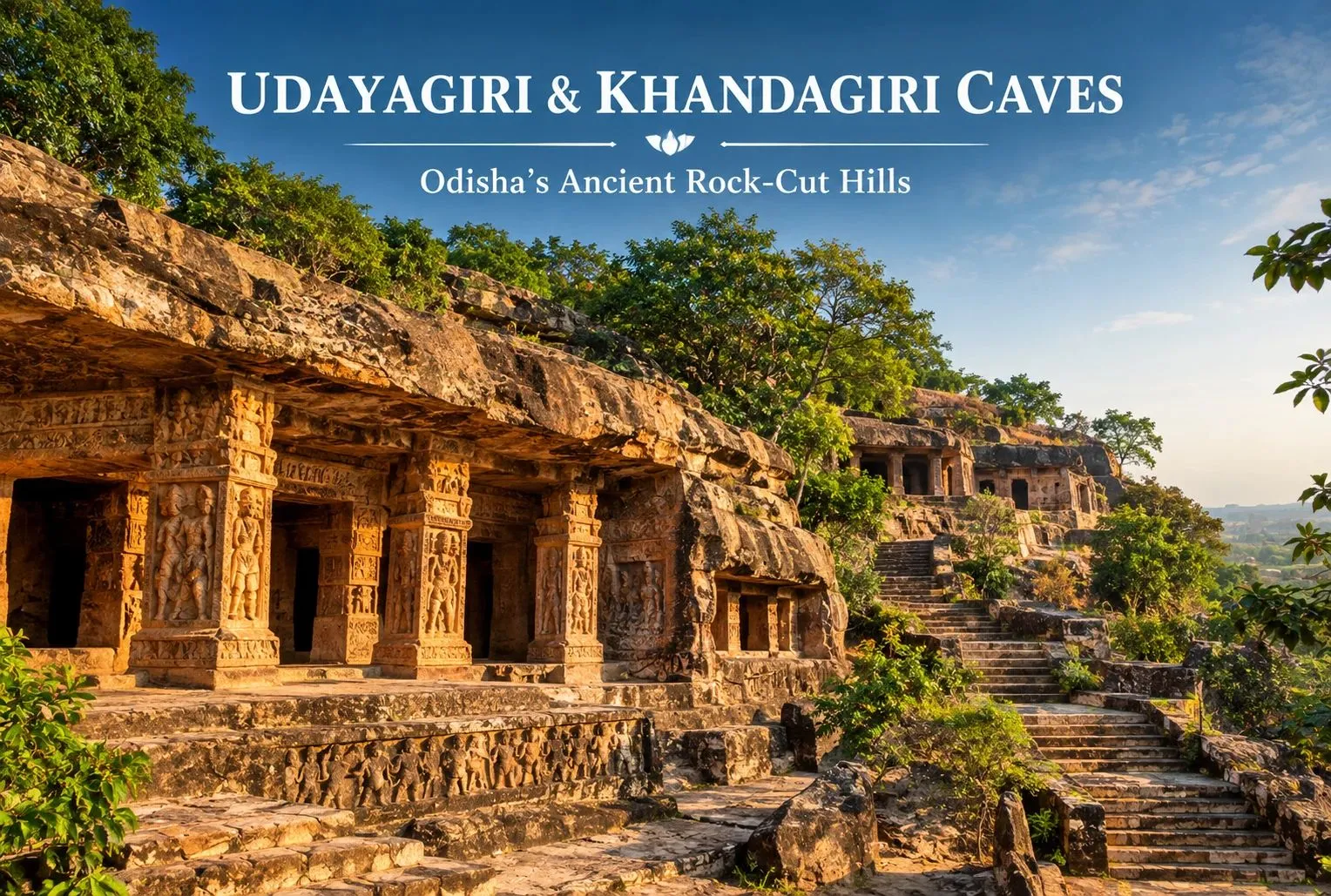
Just outside Bhubaneswar, two low sandstone hills face each other across a road, and both are honeycombed with carved caves. The Udayagiri and Khandagiri Caves are among Odisha’s oldest surviving rock-cut monuments, and they reward visitors who enjoy reading history in stone. This guide covers the history, the key caves, visiting hours, and how to plan your trip.

About the Udayagiri and Khandagiri Caves

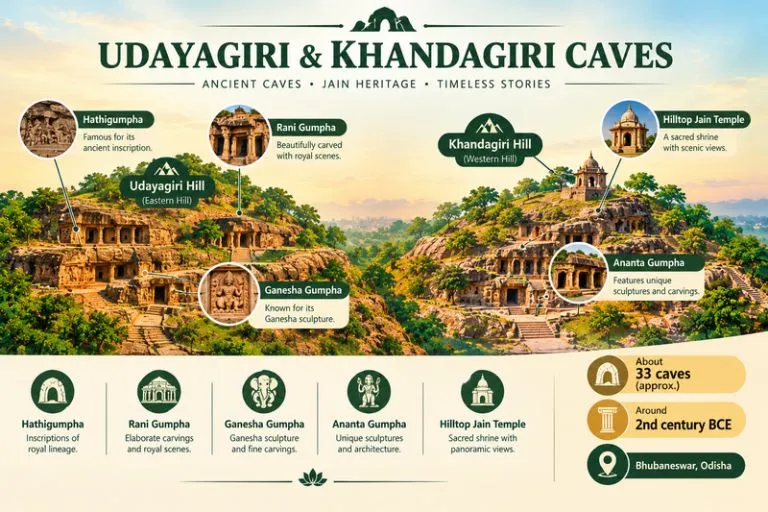
The Khandagiri and Udayagiri hills lie on the western edge of Bhubaneswar, a short drive from the old town. Together they hold dozens of caves, commonly counted as about 33, with roughly 18 on Udayagiri and 15 on Khandagiri. Counts differ between sources, so treat these as approximate. The caves were cut into the rock as residential cells and halls, and many are decorated with carved friezes, pillars, and inscriptions. The site is protected, and the Archaeological Survey of India looks after it.

Udayagiri and Khandagiri Caves - Ancient Caves

Udayagiri and Khandagiri Caves History

The caves are generally dated to around the 2nd century BCE, and most scholars link their creation to Jain monks and royal patronage. King Kharavela of the Chedi dynasty, who ruled Kalinga, is the best known name connected with the site. His reign is described in the Hathigumpha inscription, a long Brahmi inscription carved on the roof of a cave on Udayagiri, which is one of the most important historical records from ancient Odisha.

Dates and attributions vary between sources, so check the information boards on site or ask a licensed guide which account they follow. Later periods added carvings and shrines, and a modern Jain temple stands at the top of Khandagiri.

Highlights of Udayagiri

  • Hathigumpha (Elephant Cave): a large natural-looking cavern, best known for the long inscription on its roof.
  • Rani Gumpha (Queen’s Cave): a two-story cave with carved friezes and sculpted figures, often described as the most elaborate on the hill.
  • Ganesha Gumpha: named for a later carving of Ganesha inside the cave.
  • Ganga and other caves along the path: small cells and shaded galleries that are easy to walk between.

Highlights of Khandagiri

  • Ananta Gumpha: a cave with carved figures including animals, women, and symbols, along with a few carved Jain motifs.
  • Navamuni and Barabhuji caves: later caves holding Jain figures carved in the rock.
  • The hilltop Jain temple: reached by a flight of steps, with wide views back toward Bhubaneswar.

Udayagiri and Khandagiri Caves Timings

The Udayagiri and Khandagiri Caves timings follow a daytime schedule. Many visitors report an opening around 8:00 AM and a closing around 6:00 PM, with the site open every day. An entry ticket is usually charged, with a lower rate for Indian visitors. I have not verified live timings or fees, so confirm the current schedule and prices with the Archaeological Survey of India or the Odisha tourism office before you go.

How to Reach

  • By air: Biju Patnaik International Airport in Bhubaneswar is the nearest, roughly 10 km away.
  • By train: Bhubaneswar Railway Station is roughly 8 km away and is well linked to major cities.
  • By road: Taxis, autos, and city buses run to the caves. Many visitors combine the site with the Lingaraj Temple and Nandankanan on the same day.

Distances are approximate, so confirm routes locally. For official site details, you can refer to the Archaeological Survey of India, the Government of India body that protects monuments like this one.

Best Time to Visit

October to March is the most comfortable season, with cooler weather for walking the steps and rocky paths. Summers are hot and humid, and the monsoon brings rain from June to September, which can make the steps slippery. Early morning is the best time of day.

Visiting Tips

  • Wear comfortable shoes with grip, since there are many steps and uneven rock
  • Carry water and sun protection
  • Allow two to three hours to see both hills at an easy pace
  • Do not touch, climb on, or write on the carvings
  • Keep an eye on monkeys that may be near the paths
  • Hire a licensed guide if you want help reading the inscriptions

Travelers who like ancient history can also look at Explore Hills’ Roopkund Trek, a high-altitude route known for its mysterious lake.

Conclusion

The Udayagiri and Khandagiri Caves give a close look at early Jain monastic life and the kings who supported it, all in a compact, walkable setting. Plan around the timings, wear good shoes, and leave time for the hilltop views. If you are planning a mountain temple trek next, Explore Hills’ Yulla Kanda Krishna Temple Trek is a good place to start.

Frequently Asked Questions

What are the Udayagiri and Khandagiri Caves?

They are a group of ancient rock-cut caves on two hills near Bhubaneswar, commonly dated to around the 2nd century BCE and linked to Jain monks and royal patronage.

What are the Udayagiri and Khandagiri Caves timings?

They are usually open during the day, from about 8:00 AM to 6:00 PM, but hours can change, so confirm locally before you visit.

What is the history of the Udayagiri and Khandagiri Caves?

The caves are linked to King Kharavela and the Hathigumpha inscription, along with later Jain additions. Dates vary between sources.

Where are the Khandagiri and Udayagiri hills located?

They are on the western edge of Bhubaneswar in Odisha, a short drive from the old town.

What is the best time to visit?

October to March is the most comfortable season, and early morning is the best time of day.

How many caves are there?

They are commonly counted at about 33, with roughly 18 on Udayagiri and 15 on Khandagiri, though counts vary.