
Uttarakhand pilgrimage

Explore articles related to this topic from ExploreHills.

Explore by Category

3 articles
Devbhoomi Uttarakhand
Temples and Spiritual Places

Why Uttarakhand Is Called Devbhoomi

Uttarakhand is one of the most beautiful states in North India, known for its green valleys, holy temples, and riverine landscapes. Often called Devbhoomi, which means “Land of Gods,” this state holds a special place in Indian culture and spirituality. It attracts…
October 26, 20267 min read
Char Dham Yatra
Temples and Spiritual Places

Char Dham Yatra: The Ultimate Guide to Uttarakhand’s Sacred Pilgrimage

Tucked into the folds of the Garhwal Himalayas, the Char Dham Yatra is one of Hinduism’s most revered pilgrimage circuits, drawing lakhs of devotees to four sacred shrines every year. The journey takes pilgrims through Yamunotri, Gangotri, Kedarnath, and Badrinath — each…
September 4, 20267 min read
Panch Kedar
Temples and Spiritual Places

Panch Kedar: The Complete Guide to the Five Sacred Shiva Temples

Deep in the Garhwal Himalayas of Uttarakhand lies one of India’s most profound pilgrimage circuits — the Panch Kedar. Woven from mythology, devotion, and breathtaking mountain geography, this journey connects five ancient Shiva temples scattered across remote valleys, alpine meadows, and high-altitude…
September 3, 20267 min read

Why Uttarakhand Is Called Devbhoomi

Devbhoomi Uttarakhand

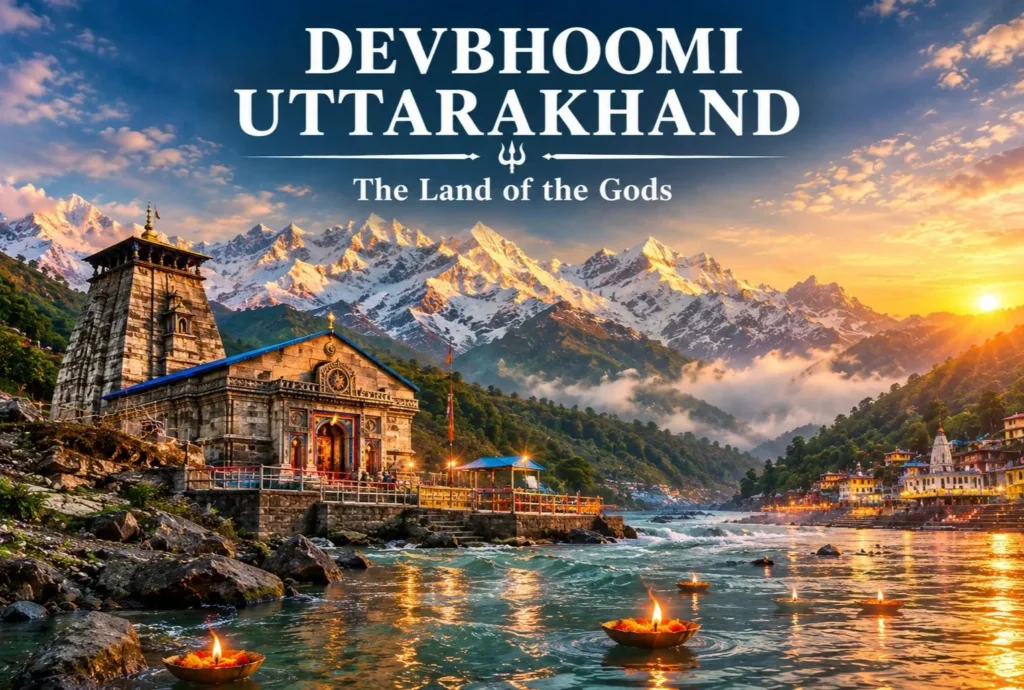
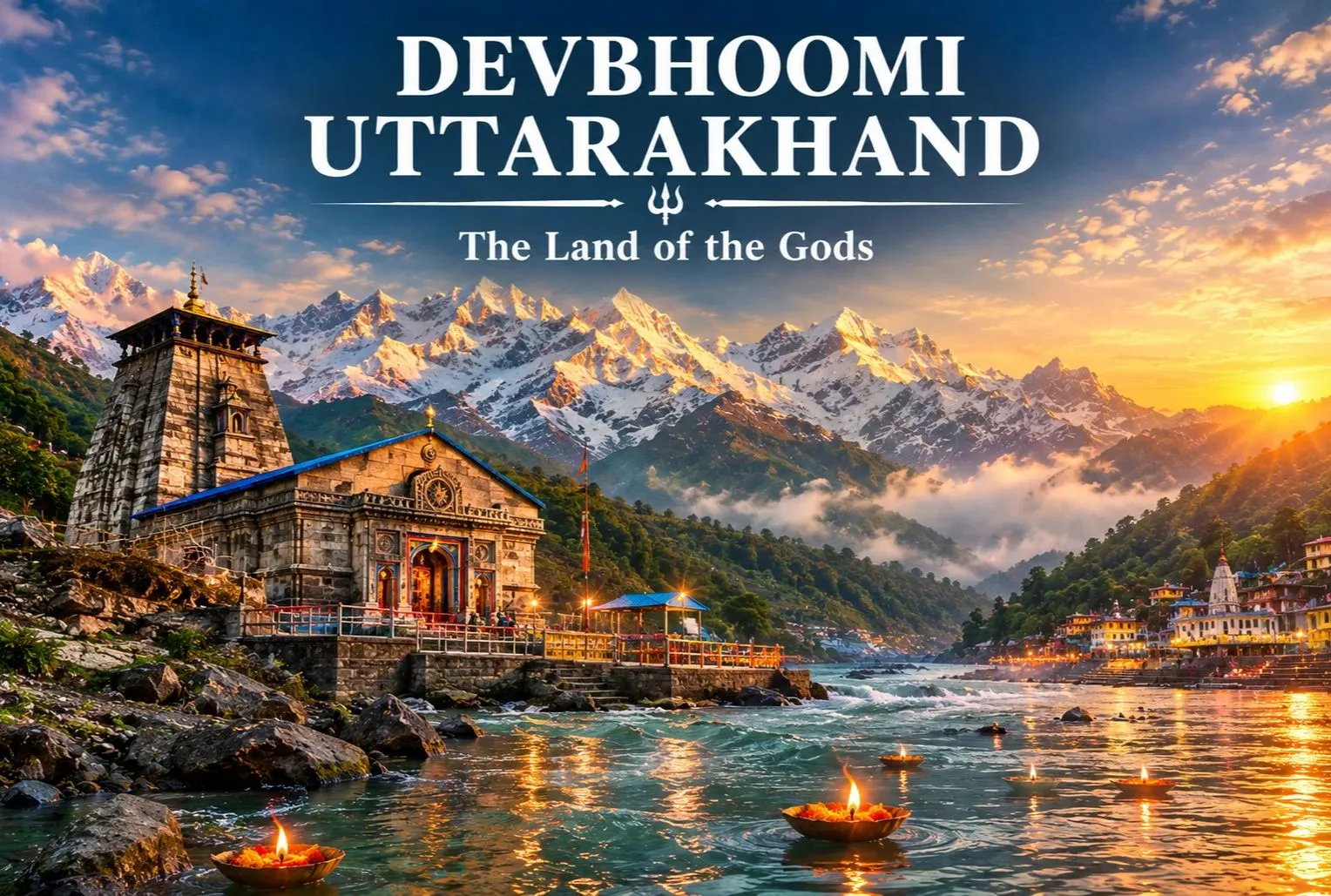
Uttarakhand is one of the most beautiful states in North India, known for its green valleys, holy temples, and riverine landscapes. Often called Devbhoomi, which means “Land of Gods,” this state holds a special place in Indian culture and spirituality. It attracts devotees, travelers, nature lovers, and Thrill-seekers who want to behold the majesty of the Himalayas. From the peaceful hill stations of Mussoorie and Nainital sites to the famous Char Dham pilgrimage, the area provides something for every visitor. Whether you want to enjoy mountain views, explore different temples, or learn more about local culture, Uttarakhand is a great place to start your journey.

What Does Devbhoomi Mean?

The word “Devbhoomi” is made up of two words. “Dev” means god, and “Bhoomi” means land, so it simply means “land of the gods.”

In ancient texts, this area was known as Manaskhand (Kumaon) and Manaskhand (Garhwal). The state is quite young. It was separated from Uttar Pradesh on 9 November 2000 and became India’s 27th state, with its capital as Dehradun.

In Hindu tradition, the Himalayas are linked with gods with sages who came here to meditate, many people believe that:

  • Lord Shiva lives in the Himalayas.
  • The origin of holy rivers like the Ganga.
  • Countless sages found peace in these mountains.
  • The location of Hinduism’s most important pilgrimage sites.

Because of all this, the state is called Devbhoomi. Many famous religious towns are loud and crowded. Here, the feeling is quieter and closer to nature.
Uttarakhand Devbhoomi

The Char Dham Yatra Begins in Uttarakhand

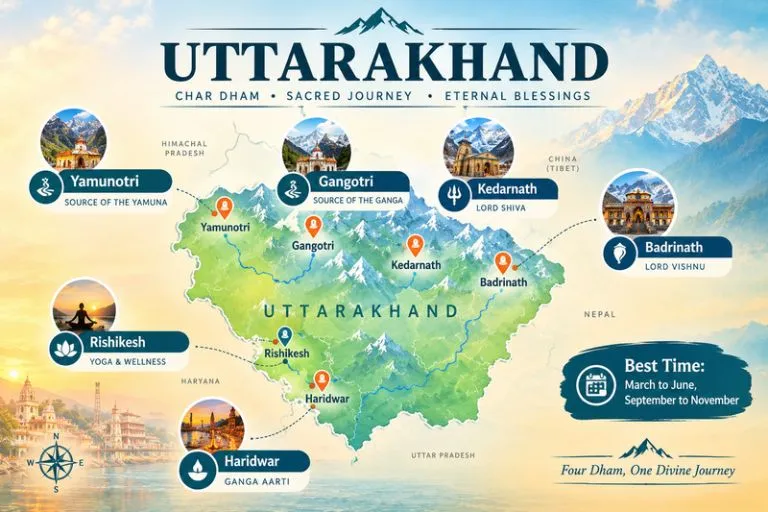
If anyone asks why Uttarakhand is called Devbhoomi, the first answer is Char Dham Yatra. This ancient pilgrimage includes four holy shrines high in the Himalayas:

  • River Ganga linked with, Gangotri.
  • The source of the river Yamuna, Yamunotri.
  • Badrinath, dedicated to Lord Vishnu.
  • Kedarnath, dedicated to Lord Shiva.

The journey is not that much easy. Roads are steep, the weather can change quickly, and some areas need a long walk. Yet, thousands of devotees make the trip every year.

For many of them, the grind is part of the draw. Long drive through the peak, the sound of temples and flowing rivers carry you away from the rush of city life.

Travelers who want to cover two of these shrines in a guided trip can look at Explore Hills’ Kedarnath Tungnath Badrinath Yatra.

The Holy Pull of the Rivers

The Rivers are at the heart of life here. At Yamunotri the yamuna start, and the Ganga begins as the Bhagirathi near the Gangotri glacier. For many devotees, these are not just water sorces.

Rishikesh and Haridwar are known for much and more for tourism. They are the center of tradition, meditation and yoga. The evening Ganga aarti at Triveni Ghat in rishikesh and Har ki Pauri in Haridwar is one of the most moving sights in the state. Lamps float down the river while slogans fill the air. Even those who visit for the first time frequently experience it as both spiritual and tranquil.

Trekkers who want to walk to the glacier source itself can explore Explore Hills’ Gaumukh Tapovan Trek.

Spiritual learning of Yoga and Mindfulness

In recent years, Uttarakhand has become popular with tourists from around the world who want to learn meditation and yoga, Rishikesh is the best place for all those people. In Rishikesh Visitors usually come for:

  • Meditation centres.
  • Himalayan wellness and healing.
  • Spiritual classes and ashram stays.
  • Yoga retreats.

There is a reason this works so well. When you are surrounded by fresh air and quiet peaks, your mind quiets down naturally. There are no distractions, so you notice your own thoughts more clearly. Certain individuals come seeking adventure but find themselves sitting next to a river for hours in the end without looking at the clock.

How Faith Shapes Daily Life

In Uttarakhand, faith is not just that we find inside temples. It’s woven into daily life. Across countless villages, locals still worship community gods, celebrate changing seasons, and gather at lively temple fairs that bring everyone closer.

You can notice it in small moments:

  • Morning worship at a village temple.
  • Devotional music playing softly from a small temple.
  • People folding their hands before starting a journey.

In large cities, traditions may turn into swift actions. In the hills, they remain within ordinary routines. That is why many travellers remember minor details, such as a bell heard from far away, a conversation with a vendor, or a tea stop on a winding road.

Reasons Why Travelers Experience a Strong Connection Here

Ask visitors of Uttarakhand, what stays in their mind, and many will tell it is a feeling that is hard to explain. Some will say, it is the habitat, tranquil mountains, temple sounds and a more relaxed lifestyle. But it is not only the temples or the myths. It is the whole mood of the location.

Best Time to Visit Uttarakhand for Spiritual Journeys

Uttarakhand is lovely year-round, but the most enjoyable months for a spiritual journey are between March to June and September to November. In these months:

  • The weather is pleasant.
  • Temple paths are easier to walk.
  • Mountain roads are more secure.
  • Visiting attractions is more laid-back.

Remember that the Char Dham temples are open only for a certain part of the year, usually from spring to autumn, and dates change every year.

For official yatra registration and tourist information before you plan, you can refer to the Uttarakhand Tourism Registration and Tourist Care portal, the state government’s official platform.

Conclusion

Uttarakhand is called Devbhoomi for multiple reasons: old shrines, holy rivers, mountains, and a calm that is difficult to find in other places. Mythology and devotion play a role, but so is the simple feeling of being somewhere peaceful. Many people go home taking that peace with them. No matter if you visit for a trip, for meditation, or just to enjoy the Himalayas, Devbhoomi Uttarakhand has a way of making you feel connected.

Frequently Asked Questions

Why is Uttarakhand named Devbhoomi?

Uttarakhand is named Devbhoomi, or “land of the gods,” because it has Char Dham shrines, the origin of the Yamuna and Ganga, ancient temples and many old stories.

What is the meaning of Devbhoomi?

“Dev” means god, and “Bhoomi” means land. Together, it means “land of the gods.”

Which locations make up the Char Dham in Uttarakhand?

The Char Dham is the primary nationwide circuit of India. The Char Dham locations in Uttarakhand consist of Gangotri, Yamunotri, Badrinath, and Kedarnath.

When is the good time to explore religious places in Uttarakhand?

From March to June and September to November are the most comfortable months. Because in these months the weather is pleasant and the roads and trails are easier.

Is Rishikesh a good location to learn yoga?

Yes. Rishikesh is famous all over the world for its yoga, meditation and ashrams, attracting many visitors who want to learn and relax.
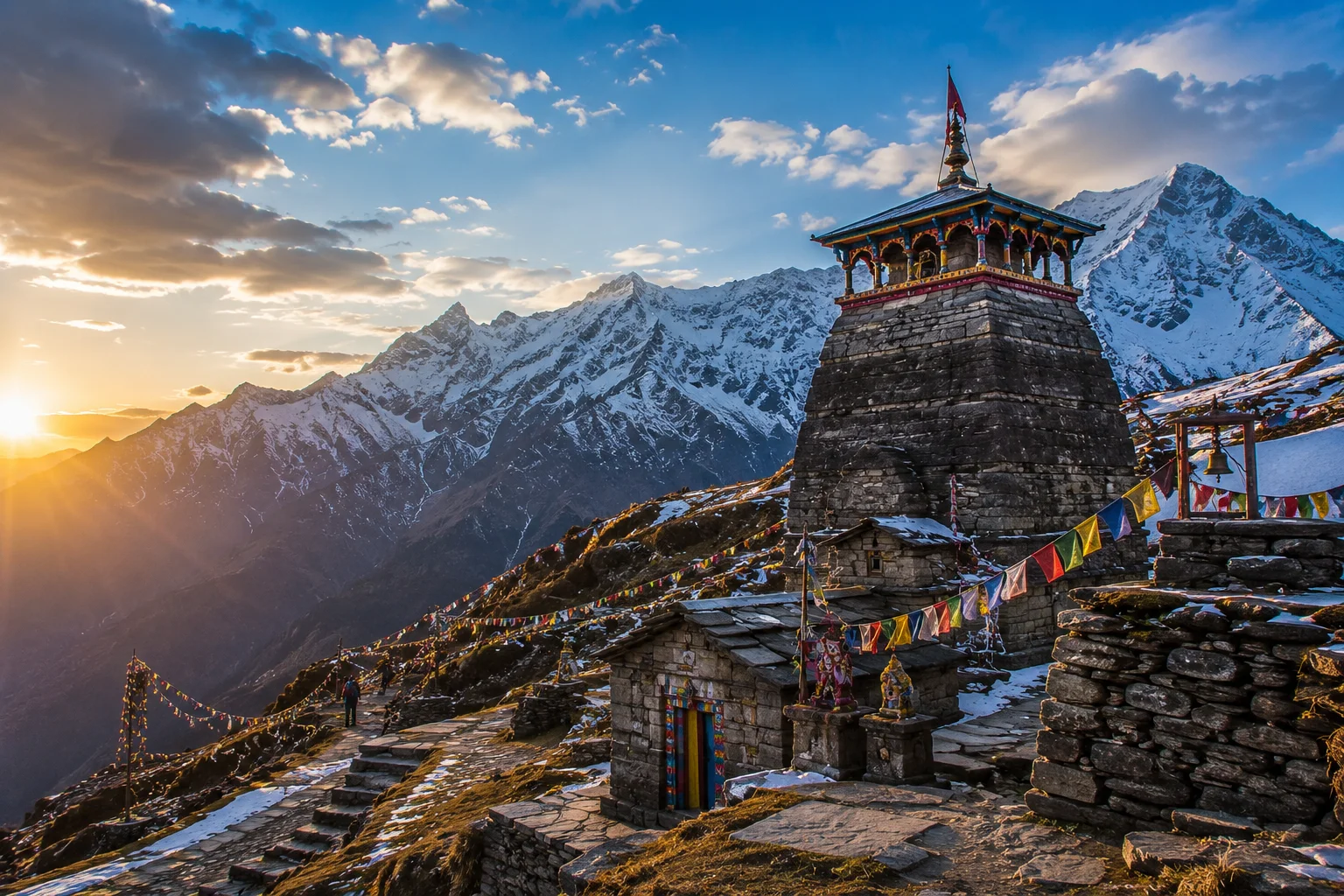
Char Dham Yatra: The Ultimate Guide to Uttarakhand’s Sacred Pilgrimage

Char Dham Yatra

Tucked into the folds of the Garhwal Himalayas, the Char Dham Yatra is one of Hinduism’s most revered pilgrimage circuits, drawing lakhs of devotees to four sacred shrines every year. The journey takes pilgrims through Yamunotri, Gangotri, Kedarnath, and Badrinath — each set against a backdrop of snow-capped peaks, glacial rivers, and centuries of devotion. For many, completing this circuit isn’t just a trip; it’s a spiritual milestone.

If you’re planning your own Char Dham Yatra, our Char Dham Yatra package covers the complete route, but before you set out, here’s a detailed guide to help you understand the significance, route, and everything else you’ll need to know.

What Is Char Dham Yatra?

The term “Char Dham” translates to “four abodes,” referring to four sacred sites in Uttarakhand: Yamunotri, Gangotri, Kedarnath, and Badrinath. The Char Dham Yatra is often called the “Chota Char Dham” to distinguish it from the original, pan-India Char Dham established by the philosopher-saint Adi Shankaracharya, which includes Badrinath in the north, Dwarka in the west, Puri in the east, and Rameswaram in the south. While the two circuits share the name and the site of Badrinath, most people today, when referring to this journey, mean the Uttarakhand version.

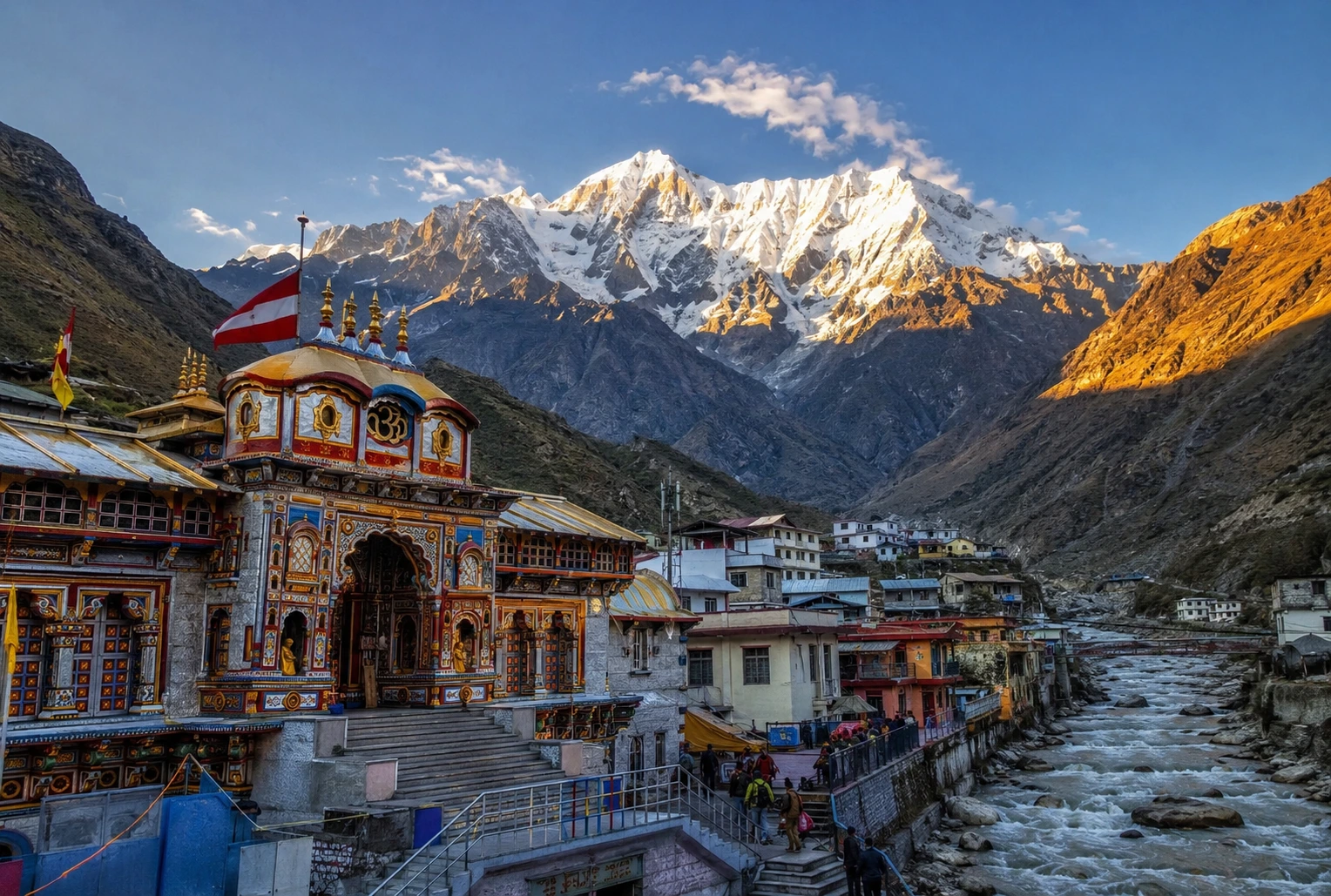
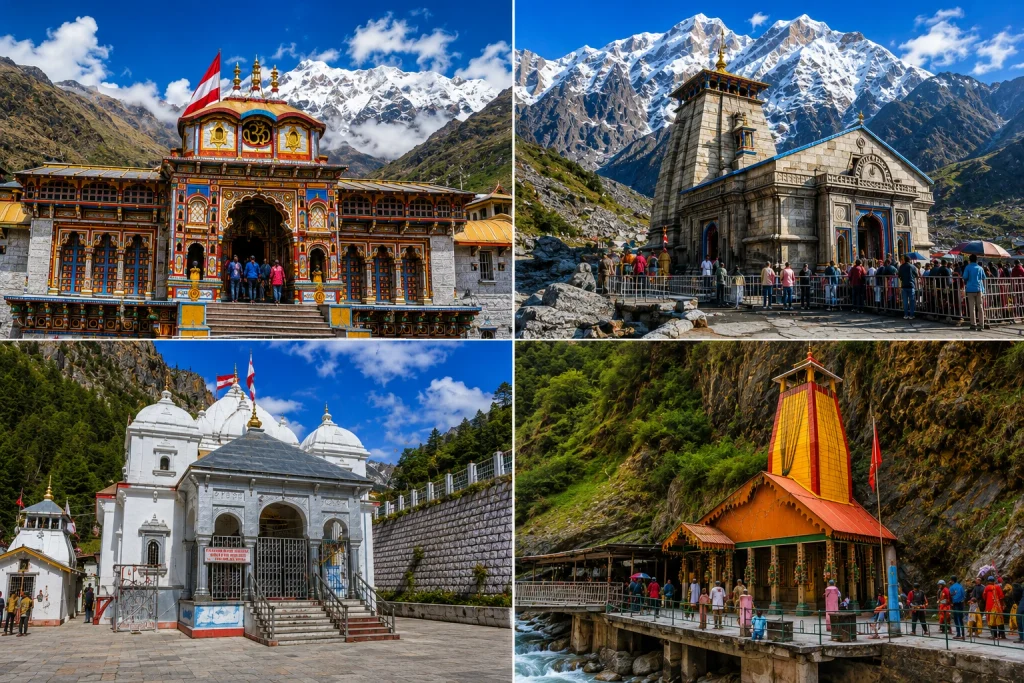
Each of the four shrines holds distinct religious significance. Yamunotri is dedicated to the goddess Yamuna and marks the source of the Yamuna River. Gangotri honours the goddess Ganga at the origin point of the sacred Ganges. Kedarnath is one of the twelve Jyotirlingas of Lord Shiva, and Badrinath, the final stop, is dedicated to Lord Vishnu. Together, these four shrines form a journey that touches on multiple strands of Hindu devotion within a single circuit.

The Traditional Route and Order

The Char Dham Yatra follows a fixed, traditional sequence. Pilgrims begin at Yamunotri, move on to Gangotri, then Kedarnath, and finally conclude at Badrinath — a west-to-east, roughly clockwise route through the Garhwal Himalayas. This order isn’t arbitrary; it also helps the body acclimatise gradually as pilgrims move toward the higher-altitude shrines of Kedarnath and Badrinath later in the journey.

Most pilgrims begin and end their trip from Haridwar, Rishikesh, or Dehradun, which serve as the main gateway cities. From there, the route typically flows through Barkot (base for Yamunotri), Uttarkashi (base for Gangotri), Guptkashi (base for Kedarnath), and Joshimath (en route to Badrinath), before looping back toward Haridwar via Rudraprayag and Devprayag.

The Four Shrines in Detail

Yamunotri requires a final stretch of trekking, typically 5 to 6 km from Janki Chatti, with ponies and palanquins available for those who prefer not to walk the full distance.

Gangotri is comparatively easier to reach, being directly connected by road via Uttarkashi, making it one of the more accessible stops on the route.

Kedarnath is widely regarded as the most physically demanding leg. Pilgrims travel by road up to Gaurikund and then undertake a steep 16 to 18 km trek to reach the temple. A helicopter service is also available, though bookings must go through IRCTC’s official portal.

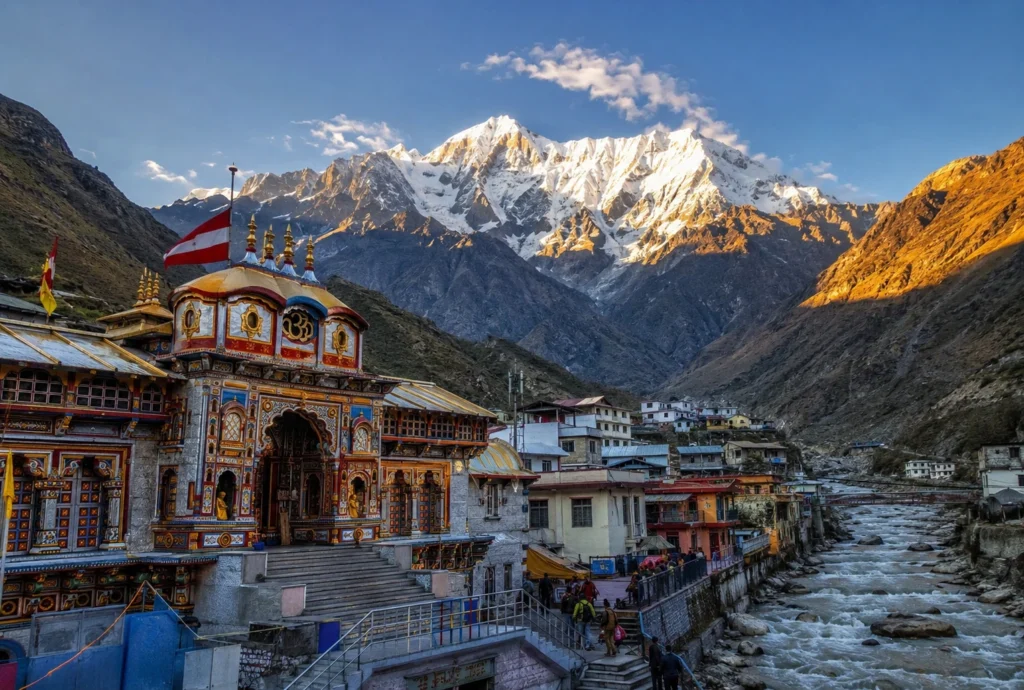
Badrinath, the final destination, is the easiest of the four to access, since the road leads directly to the temple. This makes it especially suitable for elderly pilgrims or those with limited mobility.

For travellers who’d like a shorter, more focused pilgrimage instead of the full Char Dham Yatra circuit, our Kedarnath Yatra package is a great alternative that covers one of the most significant shrines in the journey.

Best Time for the Pilgrimage

The most favourable window for the Char Dham Yatra falls between May and June, offering clear skies and comfortable temperatures. A second good window opens from September to October, after the monsoon clears. The monsoon months are best avoided, as landslides and road blockages are common in the hill sections during this period.

The four shrines only remain open for a limited season each year, typically opening between April and May and closing around October or November as winter sets in. For 2026, Yamunotri and Gangotri opened on April 19, Kedarnath on April 22, and Badrinath on April 23, with all four shrines expected to close by mid-November ahead of the winter snowfall.

Registration and Permits

Registration is mandatory for all pilgrims undertaking the Char Dham Yatra, regardless of whether you’re travelling by road or helicopter. The registration process is free but compulsory, and typically opens in early March through the official Uttarakhand government portal. Pilgrims are advised to carry a printed yatra pass along with a valid government-issued photo ID, such as an Aadhaar card or passport.

In recent years, several additional rules have also come into effect, including mandatory medical check-ups for pilgrims above 55 years of age or with pre-existing health conditions, along with real-time tracking systems and expanded medical support across the route. It’s worth checking the latest guidelines closer to your travel dates, since rules and requirements can be updated from year to year.

Duration and Budget

A full Char Dham Yatra by road typically takes 10 to 12 days, while helicopter packages can shorten the journey to around 5 to 6 days, making them a popular option for pilgrims short on time or looking to avoid the physically demanding treks. Budgets can vary widely depending on the mode of travel and comfort level chosen, ranging from more modest road-trip packages to significantly higher-cost helicopter itineraries covering all four shrines.

If you’d prefer to explore a smaller, equally meaningful circuit before attempting the full Char Dham Yatra, our Do Dham Yatra package is worth considering as a shorter introduction to Uttarakhand’s sacred geography.

Tips for a Smooth Char Dham Yatra

  • Book accommodation early: Guesthouses in Barkot, Uttarkashi, Guptkashi, and Joshimath fill up weeks in advance during peak season
  • Pack for variable weather: Even in summer, temperatures near the shrines can drop sharply, especially early morning and evening
  • Carry essential documents: Yatra pass, photo ID, and medical certificates if applicable
  • Stay physically prepared: The Kedarnath trek in particular requires reasonable fitness
  • Respect entry guidelines: Certain temples have specific rules around entry and photography, so it helps to check current guidelines beforehand

For the latest registration details and official updates, you can visit the Uttarakhand government’s official registration portal, the authorised source for Char Dham Yatra registration.

Frequently Asked Question’s

  1. What is the correct order to complete the Char Dham Yatra?

    The traditional order is Yamunotri, followed by Gangotri, Kedarnath, and finally Badrinath.

  2. Is registration compulsory for the Char Dham Yatra?

    Yes, registration is mandatory for all pilgrims and is free to complete through the official Uttarakhand government portal.

  3. What is the best time of year for the Char Dham Yatra?

    May to June and September to October are considered the most favourable months, offering clearer weather and safer road conditions.

  4. How long does the full circuit take?

    By road, the journey typically takes 10 to 12 days, while helicopter packages can shorten it to around 5 to 6 days.

  5. Which shrine is the most physically demanding to reach?

    Kedarnath is generally considered the toughest, requiring a 16 to 18 km trek from Gaurikund, though helicopter services are available as an alternative.

Panch Kedar: The Complete Guide to the Five Sacred Shiva Temples

Panch Kedar

Deep in the Garhwal Himalayas of Uttarakhand lies one of India’s most profound pilgrimage circuits — the Panch Kedar. Woven from mythology, devotion, and breathtaking mountain geography, this journey connects five ancient Shiva temples scattered across remote valleys, alpine meadows, and high-altitude ridgelines. For pilgrims and trekkers alike, completing this yatra is considered one of the most spiritually significant and physically rewarding experiences the Himalayas have to offer.

If you’re planning to take on this circuit, our own Panch Kedar Trek package covers the full route in detail, but before you set out, here’s everything worth knowing about the history, legend, and temples that make up this sacred journey.

What Is Panch Kedar?

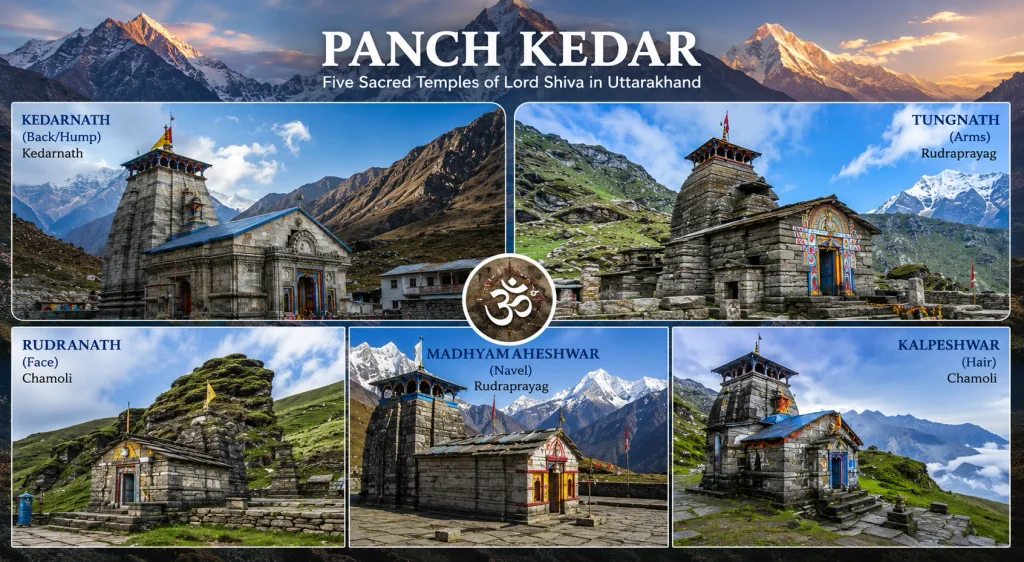
The word “Panch” means five, and “Kedar” is another name for Lord Shiva, so Panch Kedar literally translates to the “Five Kedars.” It refers to five ancient Shiva temples located across the Garhwal region — Kedarnath, Tungnath, Rudranath, Madhyamaheshwar, and Kalpeshwar. Together, these five temples are believed to represent different anatomical forms of Lord Shiva, and visiting all of them is considered one of the most sacred pilgrimages a devotee can undertake.

Unlike temples clustered close together, these shrines are spread across remote, high-altitude terrain, most of them accessible only by trekking through forested trails, alpine meadows, and mountain villages. This combination of mythology and geography is what makes the journey feel less like a conventional pilgrimage and more like an immersive Himalayan expedition.

The Legend Behind Panch Kedar

The story behind these sacred temples is rooted in the Mahabharata. After the Kurukshetra war, the Pandavas were burdened with guilt for killing their own kin, including respected elders and teachers. Seeking forgiveness, they set out to find Lord Shiva to seek his blessings and atone for their sins.

Displeased with the Pandavas and reluctant to grant an easy pardon, Shiva is said to have taken the form of a bull (Nandi) and hidden himself in the Garhwal Himalayas to avoid them. As the Pandavas pursued him, Bhima — the second of the five brothers, known for his immense strength — recognised the disguised bull and attempted to hold it back. In the struggle that followed, the bull’s body is believed to have split into five parts, each reappearing in a different location across the mountains.

According to legend, Shiva’s hump appeared at Kedarnath, his arms manifested at Tungnath, his face emerged at Rudranath, his navel surfaced at Madhyamaheshwar, and his hair appeared at Kalpeshwar. At each of these five sites, the Pandavas are believed to have built temples to worship Shiva in these unique forms, giving rise to what we now know as the five Kedars.

The Five Temples

1. Kedarnath (3,583 m) The most important and most visited of the five, Kedarnath is also one of the twelve Jyotirlingas of Lord Shiva. Located in the Rudraprayag district, this temple sees lakhs of pilgrims every year and traditionally marks the starting point of the yatra.

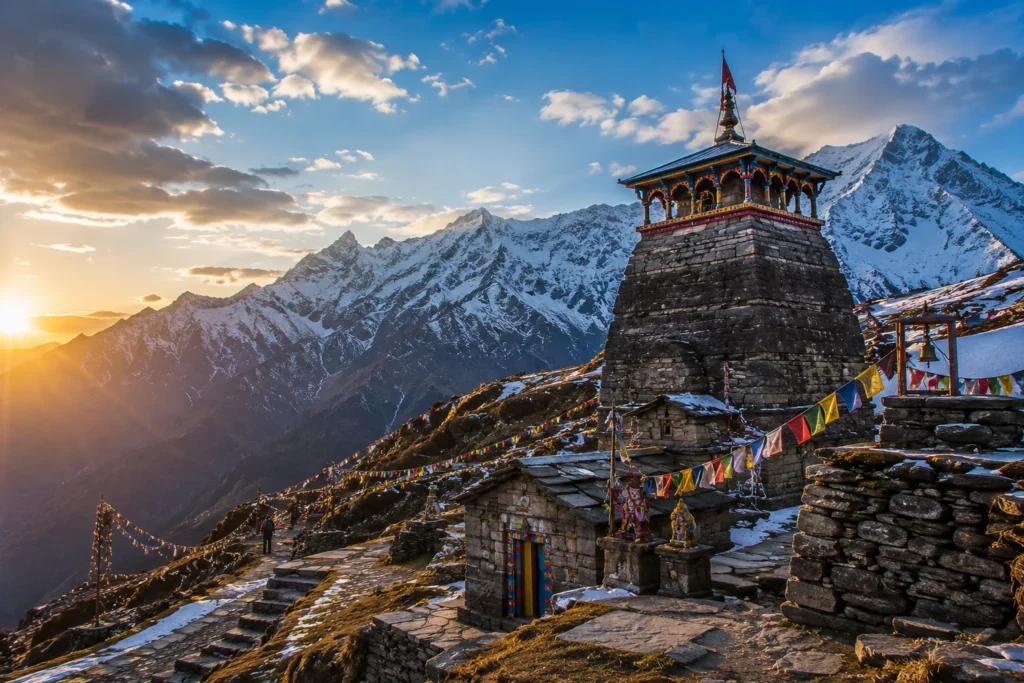
2. Tungnath (3,680 m) Tungnath holds the distinction of being the highest Shiva temple in the world and the third stop in the circuit. Despite its high altitude, it’s reachable via a relatively short 4 km trek from Chopta, making it one of the more accessible temples on the route. It represents the arms of Lord Shiva.

3. Rudranath (2,286 m) Considered one of the most challenging treks in the circuit, Rudranath is a natural rock temple set amid dense forest and alpine terrain, reached via a roughly 20 km trek from Sagar village. It represents Shiva’s face and is surrounded by sacred kunds, including Surya Kund, Chandra Kund, and Manas Kund.

4. Madhyamaheshwar (3,490 m) Representing Shiva’s navel, Madhyamaheshwar sits in a picturesque valley framed by snow-capped peaks like Chaukhamba. The trek here typically begins from Ransi village and spans around 16-18 km through lush meadows, dense forest, and remote mountain hamlets like Gaundhar and Bantoli.

5. Kalpeshwar (2,200 m) Located in the scenic Urgam Valley, Kalpeshwar is unique among the five for being the only one accessible throughout the year, since the others close for winter between roughly December and April. It represents Shiva’s matted hair (jata) and is a natural cave temple.

Panch Kedar Yatra: Route and Order

While there’s no strict rule dictating the sequence, pilgrims traditionally begin this yatra with Kedarnath, followed by Tungnath, Rudranath, Madhyamaheshwar, and finally Kalpeshwar. This order isn’t just a tradition — it also makes practical sense from a trekking and logistics standpoint, as the route roughly follows a geographical progression through the region.

The complete circuit involves well over 100 km of trekking across varying altitudes and terrain, making it a demanding but deeply rewarding journey. Most pilgrims and trekkers spread the yatra across 10 to 14 days, depending on the pace and whether they combine it with additional stops like Chopta or the Chandrashila summit.

For travellers who want a taste of this circuit without committing to the full journey, our Chopta Tungnath Chandrashila Trek is a popular shorter alternative that covers one of the most scenic and accessible temples in the circuit along with a stunning summit trek.

Best Time for Panch Kedar Yatra

The ideal window for the Panch Kedar yatra is between May and June, and again from September to October, avoiding the monsoon months when trails can become slippery and landslide-prone. Kedarnath, Tungnath, Rudranath, and Madhyamaheshwar all close for winter, generally reopening around late April or May, while Kalpeshwar remains open year-round.

Panch Kedar Yatra: Key Points to Know

  • Total distance: Over 100 km of cumulative trekking across all five temples
  • Difficulty level: Ranges from easy (Tungnath) to challenging (Rudranath)
  • Best base towns: Ukhimath, Guptkashi, and Chopta serve as common starting points for different legs of the journey
  • Physical preparation: Given the altitude and trekking distances involved, basic fitness and acclimatisation are strongly recommended
  • Permits: Local permits and registration may be required at certain points, especially for Kedarnath, so it’s best to check current requirements before departure

For official yatra guidelines, registration details, and travel advisories, you can refer to the Uttarakhand Tourism Department, the state government’s official tourism portal.

Frequently Asked Questions’s

  1. What are the five Panch Kedar temples?

    The five Panch Kedar temples are Kedarnath, Tungnath, Rudranath, Madhyamaheshwar, and Kalpeshwar, all located in the Garhwal Himalayas of Uttarakhand.

  2. What is the legend behind Panch Kedar?

    According to the Mahabharata, Lord Shiva took the form of a bull to avoid the Pandavas, and when Bhima tried to hold him back, the bull’s body split into five parts that reappeared at five different locations — now worshipped as the Panch Kedar temples.

  3. In what order should the Panch Kedar yatra be done?

    While there’s no fixed rule, the traditional order is Kedarnath, followed by Tungnath, Rudranath, Madhyamaheshwar, and finally Kalpeshwar.

  4. Which is the highest temple among the 5 temples?

    Tungnath, at approximately 3,680 metres, is the highest of the five temples and is also known as the highest Shiva temple in the world.

  5. Which Panch Kedar temple remains open all year?

    Kalpeshwar is the only temple accessible throughout the year, while the other four close for winter.